

Compact Frame Dimensions
The DC2010 and DC2507 provide 20mm and 25mm frame options for compact equipment designs.
- 20mm DC2010 frame
- 25mm DC2507 frame
- 7mm and 10mm depths



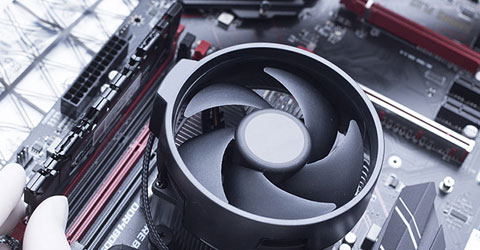



Explore Compact DC Fan and Blower Models
YCCFAN's micro fan range includes compact DC axial fans and a micro blower model. The DC2010 features a 20 x 20 x 10 mm frame, while the DC2507 Micro Fan and DC2507 Micro Blower use a 25 x 25 x 7 mm format. Compare their product specifications and airflow characteristics to identify the model that best fits your equipment design.
Compare Dimensions, Voltage and Cooling Performance
| Model | Size | Voltage | Speed | Airflow | Static Pressure | Noise |
|---|---|---|---|---|---|---|
| DC2010 | 20 x 20 x 10 mm | 5V / 12V | 6,000-17,000 RPM | 0.55-1.56 CFM | 0.76-6.16 mmH₂O | 6.60-29.22 dBA |
| DC2507 | 25 x 25 x 7 mm | 5V / 12V | 5,000-14,000 RPM | 1.10-3.09 CFM | 0.80-6.39 mmH₂O | 8.99-31.35 dBA |
| DC2507 Micro Blower | 25 x 25 x 7 mm | 5V / 12V | 5,000-14,000 RPM | 0.18-0.50 CFM | 0.46-3.63 mmH₂O | 6.14-28.50 dBA |
These ranges cover different model configurations. Maximum values do not necessarily occur on the same version; check each product detail page for the exact model, current and noise relationship. When comparing micro DC fans, frame dimensions and rated voltage are only part of the selection process, so compare airflow, static pressure, speed and noise against the equipment's cooling requirements. The DC2010 and DC2507 axial fan models provide different performance configurations, while the DC2507 Micro Blower offers a separate airflow design for applications requiring a blower structure.
Compact Dimensions and Multiple Performance Configurations
The DC2010 and DC2507 provide 20mm and 25mm frame options for compact equipment designs.
Multiple speed, airflow and static pressure configurations are available across the listed models.
The listed micro fan models are available in different rated voltage configurations.
A compact fan needs to fit the equipment layout while providing the airflow required by the cooling system. YCCFAN's micro DC fan models offer different frame dimensions and performance levels, allowing engineers to compare available options based on installation space, voltage and thermal requirements.
Cooling Solutions for Compact Electronic Systems
 01
Compact electronic assemblies often have limited room for airflow components. A suitable fan must fit the mounting space and provide airflow for heat-generating components. See Compact Cooling Fans for Electronics for broader examples.
 02
Embedded controllers and densely arranged electronic components may require localized airflow to manage heat within compact enclosures.
 03
Compact communication terminals and signal modules may require additional airflow where heat is concentrated in enclosed electronic structures.
 04
Power modules with limited internal space need cooling arrangements that consider component heat generation, airflow paths and available installation depth.
05Dense PCB layouts can trap heat around components. The DC2010's 20 x 20 x 10 mm frame provides a compact option where higher airflow is needed in a small assembly.
Share your size, voltage, airflow or application requirements. YCCFAN provides standard and customized micro cooling fan solutions for compact equipment designs.
Request a QuoteThe suitable fan depends on the equipment's internal layout, heat load and airflow resistance. For example, YCCFAN's DC2010 is described for compact power modules, embedded controllers, high-density PCB assemblies and communication terminals. Its 20 x 20 x 10 mm frame and available performance configurations provide specific options for these compact cooling designs.
Key Factors for Selecting a Compact DC Cooling Fan
The available mounting space is the first factor to check when selecting a micro axial fan. Confirm the required frame width, height and thickness before comparing models. For example, YCCFAN's DC2010 measures 20 x 20 x 10 mm, while the DC2507 Micro Fan measures 25 x 25 x 7 mm.
Check the equipment's power supply before selecting a 5V or 12V version. Rated current, connector configuration and any required control or feedback functions should also be verified against the exact model specification.
Airflow and static pressure should be considered together. A fan's maximum free-air airflow does not represent the airflow it will deliver after installation. Vents, filters, ducts and internal components can increase system resistance. Compare the fan's P-Q performance curve with the expected operating conditions.
Different speed configurations produce different airflow, static pressure and noise levels. Compare the available performance grades and select a configuration that meets the equipment's cooling requirements without exceeding its acceptable noise level.
For the DC2507 Micro Blower, also confirm the inlet and directional outlet position before finalizing the layout.
Cooling Fan Support for Equipment Manufacturers
When sourcing a compact cooling fan for an OEM project, product dimensions, rated voltage, airflow and installation requirements should be confirmed before model selection. YCCFAN can review the available micro fan models and discuss suitable configurations based on your equipment requirements. YCCFAN's DC2507 product information states that products can be designed and supplied according to customer requirements.
Review the required fan dimensions, rated voltage, operating speed and cooling requirements.
Compare available micro fan configurations and check their specifications against the equipment design.
Evaluate the selected fan configuration in the intended equipment before confirming the production requirements.
Partnering with equipment manufacturers, distributors and OEM customers for reliable micro cooling fan solutions.


Answers about micro fan sizes, voltage, airflow, selection and OEM support.
A micro fan is a compact cooling fan designed for applications where installation space is limited. It can be used in small electronic assemblies, embedded systems and other equipment requiring localized airflow. The appropriate model depends on the available space, heat load and required cooling performance.
YCCFAN's current Micro Fan category includes the DC2010 at 20 x 20 x 10 mm and the DC2507 Micro Fan at 25 x 25 x 7 mm. The category also includes a DC2507 Micro Blower with the same nominal frame dimensions but a different airflow structure.
Yes. The DC2010 and DC2507 Micro Fan product specifications list both 5V and 12V versions. The DC2507 Micro Blower also has 5V and 12V configurations. Rated current and performance vary by specific model, so check the corresponding specification table before selection.
Airflow depends on the fan model and its operating configuration. For example, the DC2010 provides up to 1.56 CFM, while the DC2507 Micro Fan provides up to 3.09 CFM. These are maximum free-air ratings; actual airflow depends on system resistance and the selected operating point.
Start by checking the available installation dimensions and rated supply voltage. Then compare airflow, static pressure, rotational speed and noise against the equipment's cooling requirements. Reviewing the fan's performance curve and evaluating a sample in the actual assembly can help confirm model suitability.
A micro axial fan moves air generally parallel to the motor shaft, while a centrifugal micro blower draws air through its inlet and discharges it through a directional outlet. The appropriate design depends on the equipment's airflow path, available mounting space and system resistance.
YCCFAN's product information states that products can be designed and supplied according to customer requirements for the DC2507 Micro Fan and DC2507 Micro Blower. For an OEM inquiry, provide the required dimensions, voltage, airflow target and installation details so the appropriate configuration can be reviewed.
Looking for a compact cooling fan for your electronic equipment? Share your required dimensions, rated voltage and cooling performance targets with YCCFAN. Our team can help review available models and discuss suitable options for your project.