


Electric Fan Manufacturer Production Process: From Design to Shipment
When you work with an electric fan manufacturer, you are not just purchasing a fan product. You are starting a complete project process that includes requirement analysis, design, testing, production, packaging, and delivery. For OEM/ODM projects, every step can affect the final result.
Why the Electric Fan Manufacturing Process Matters
A clear manufacturing process helps both sides reduce unnecessary delays, repeated sample revisions, and unclear quality standards. For you, it also makes it easier to understand project progress and potential risks from the early stage.
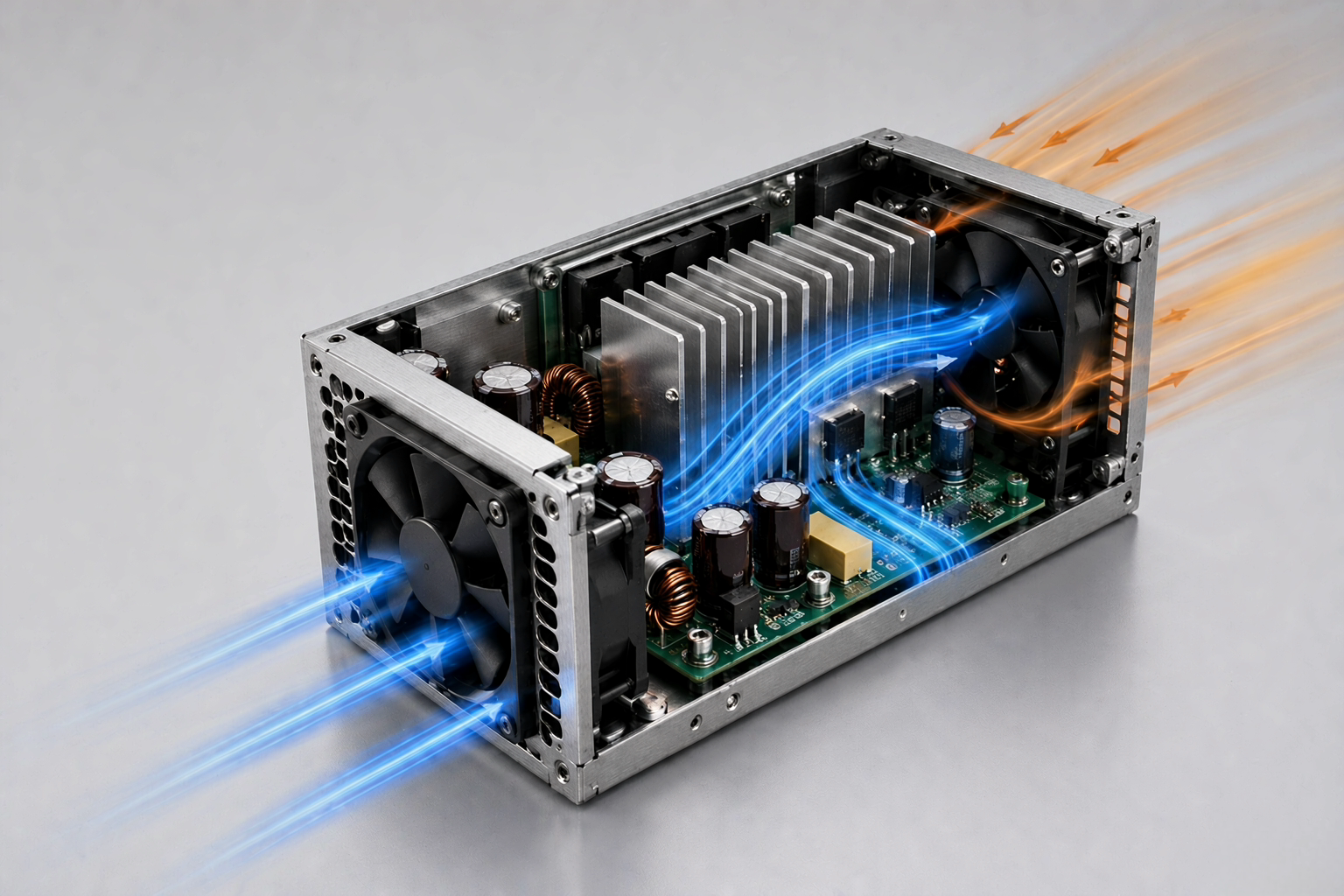
Electric fans and cooling fans are usually installed inside equipment, where space, airflow, noise, temperature, and reliability must be considered together. If we only focus on catalog models, we may overlook details that affect final product performance. Therefore, a professional fan factory should not only provide quotations and accept orders, but also guide the project step by step.
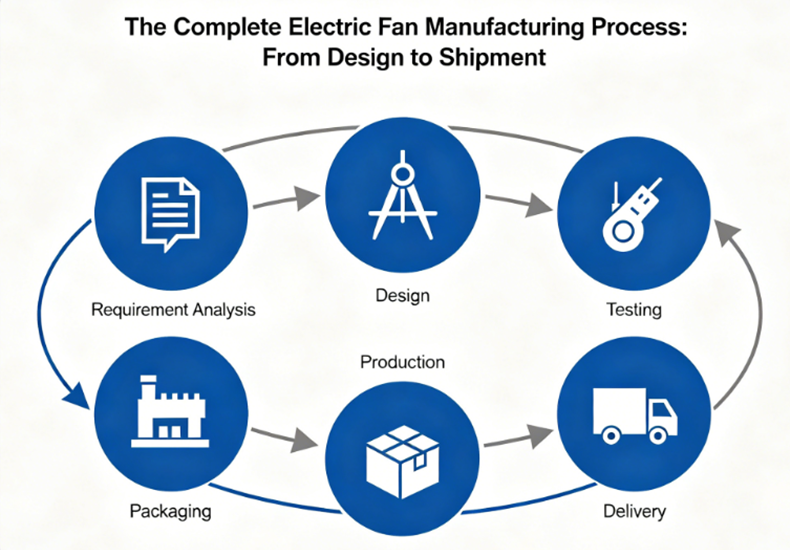
A complete process helps us confirm your requirements, design a suitable solution, test key performance, maintain stable mass production, and complete traceable packaging and delivery.
Step 1: Requirement Analysis and Engineering Design
Every project should start with understanding the application scenario. Before recommending a fan model or designing a customized solution, we need to know what equipment the fan will be used in, how much installation space is available, how much airflow is required, and whether there are limitations on noise, voltage, speed, temperature, or mounting structure.
For example, cooling fans used in energy storage equipment may focus more on reliability and stable airflow. Fans used in home appliances may require better noise control. Fans used in communication equipment may need to maintain stable performance during long operating hours.
Once the requirements are clear, YCCFAN’s engineering team will evaluate the design direction. This may include fan size, motor structure, blade design, frame type, bearing selection, cable length, connector type, and protection requirements.
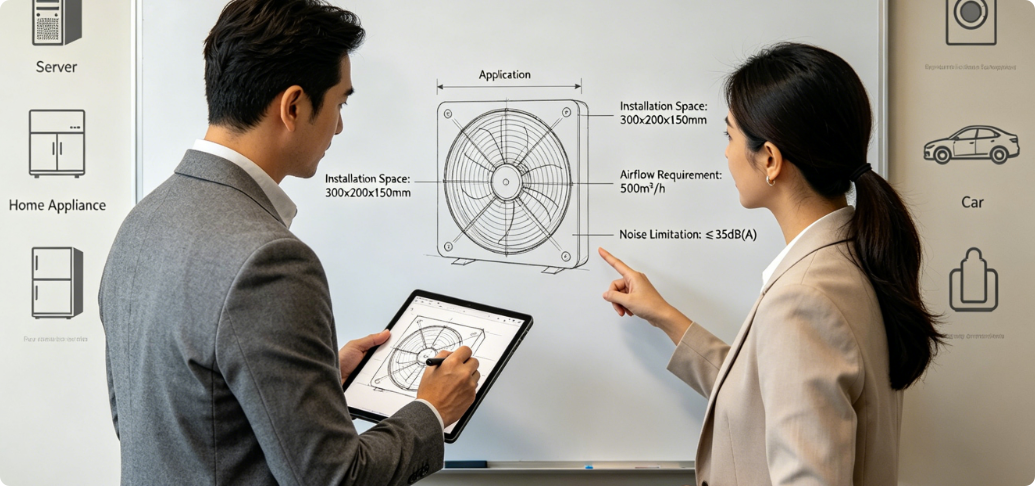
The goal at this stage is not to choose the fastest or lowest-cost option, but to find a solution that truly fits the actual working environment.
Step 2: Mold Development and Sample Approval
If an existing model can meet the requirements, the project can move directly to sample preparation. If the application requires a special structure, size, mounting method, or airflow design, mold development or structural adjustment may be needed.
Before mold development, we need to confirm drawings, dimensions, materials, tolerances, and functional requirements. This helps reduce misunderstandings before the project enters physical production.
Sample approval is an important connection between design and mass production. Through samples, you can confirm whether the fan fits the equipment, whether the airflow reaches the target, whether the noise level is acceptable, and whether installation is smooth.
For customized projects, a sample is not just a product. It becomes the reference standard for the following project stages. Once the sample is approved, it will serve as the basis for production control, inspection standards, packaging requirements, and delivery standards.
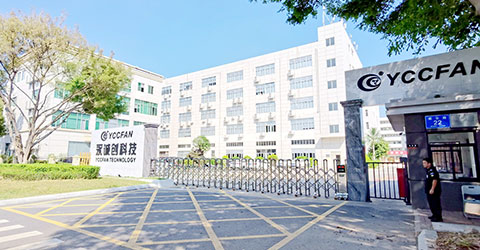
YCCFAN electric fan factory can support projects that go beyond standard model selection. When your project requires structural customization or long-term development cooperation, this type of in-house manufacturing capability becomes more valuable.
Step 3: Performance Testing and Reliability Verification
After the sample is completed, testing helps us confirm whether the design meets expectations. This step is important because appearance alone cannot prove whether the fan is suitable for real application.
Common testing items include speed, current, voltage, airflow, static pressure, noise, dynamic balance, temperature rise, and reliability performance. These results help us judge whether the fan meets the required working conditions.
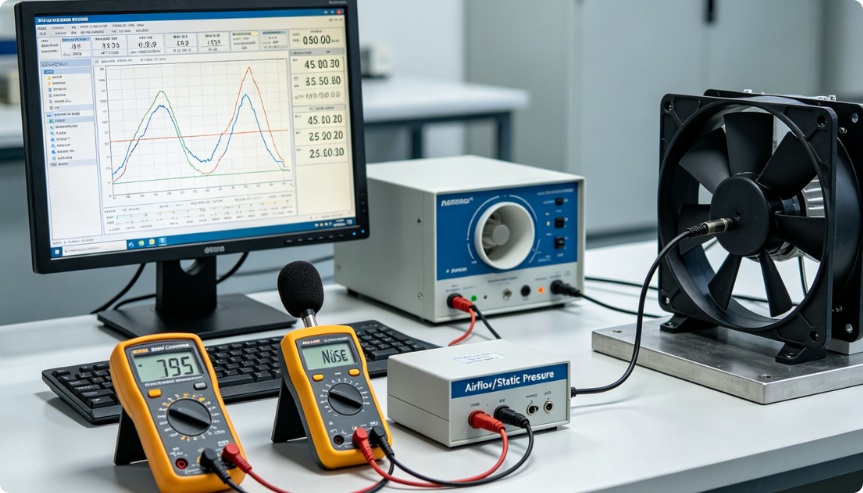
For buyers, testing is also a communication tool. Instead of relying on general descriptions, we can discuss the project based on real data. If the airflow is insufficient, the design can be adjusted. If the noise is too high, speed, blade structure, or bearing selection can be reviewed. If the application requires a longer service life, reliability verification becomes even more important.
Step 4: Mass Production and Quality Control
After sample approval, the project moves into production planning. This stage includes material preparation, production scheduling, process arrangement, production line setup, and inspection planning.
Mass production is not only about quantity. Consistency is more important. A qualified sample is only the beginning, and every following batch should stay as close as possible to the approved standard.
During production, quality control should run through every step, not only before shipment. Common checks include incoming material inspection, in-process inspection, speed and current testing, noise testing, airflow confirmation, appearance inspection, and finished product inspection.
Automated production and automated inspection are also important. They help reduce manual errors and improve consistency, especially for repeat orders or large-volume supply projects.
Step 5: Packaging and Shipment Preparation
After production and inspection are completed, packaging and shipment preparation become the final step before delivery. This stage may seem simple, but it directly affects transportation safety, inventory management, and the buyer’s receiving experience.
Before shipment, we need to confirm product model, quantity, labels, carton marks, packaging method, batch information, and shipping requirements. For OEM/ODM projects, packaging may also need to follow your company’s labels, document format, or internal standards.
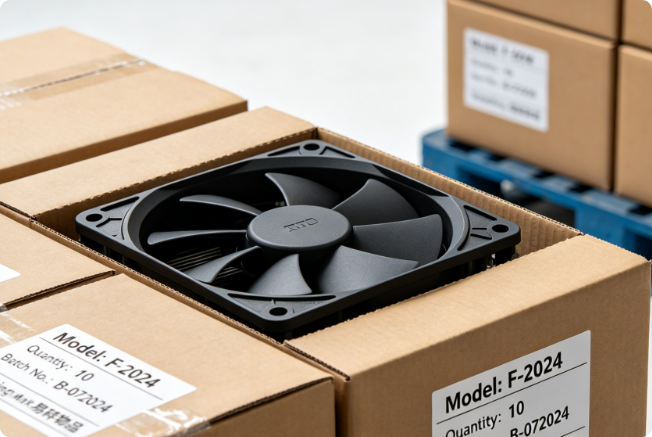
Good packaging helps reduce transportation damage. Clear batch information also makes future tracking easier. If you need to check shipments, manage inventory, or give feedback later, accurate labels and shipment records can save a lot of communication time.
How YCCFAN Cooling Fan Manufacturer Supports Projects from Design to Shipment
Whether a cooling fan project can be completed smoothly does not depend on one single capability, but on how different capabilities work together. Design, sampling, testing, production, inspection, packaging, and shipment should not be isolated steps. They should support each other throughout the whole project.
This is where YCCFAN can provide practical value. We do not simply help you select a fan model. We help you move a cooling fan project from an idea to a deliverable product. This process includes engineering communication, sample development, performance verification, production coordination, and shipment follow-up.
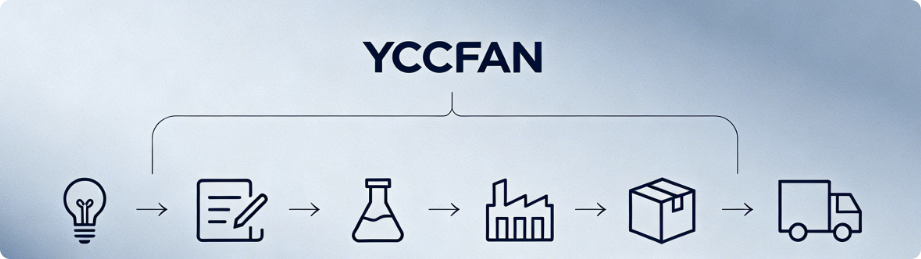
It also helps you better understand project progress, what needs to be confirmed, and how the final product is controlled before delivery.
Frequently Asked Questions
1.What is the typical production process of an electric fan manufacturer?
The typical process includes requirement analysis, engineering design, mold development or sample preparation, performance testing, reliability verification, mass production, quality control, packaging, and shipment. For OEM/ODM projects, each step should be confirmed clearly before moving to the next stage.
2.What information should buyers provide before starting a cooling fan project?
Buyers should provide the application, installation space, fan size, voltage, airflow requirement, noise limit, working temperature, cable length, connector type, protection requirements, and target market needs. Clear information helps the manufacturer recommend or design a more suitable fan solution.
3.Why is sample approval important before mass production?
Sample approval helps both the buyer and the manufacturer confirm structure, airflow, noise level, installation fit, and basic performance before mass production. Once approved, the sample can become the reference standard for production control, inspection, packaging, and delivery.
4.What tests are commonly used in cooling fan production?
Common tests include speed testing, current testing, voltage testing, airflow testing, static pressure testing, noise testing, dynamic balance testing, temperature rise testing, and reliability verification. These tests help confirm whether the fan can meet real application conditions.
5.How does quality control work during mass production?
Quality control should run through the whole production process, not only before shipment. It may include incoming material inspection, in-process inspection, speed and current testing, noise checks, airflow confirmation, appearance inspection, and finished product inspection.
6.Why are packaging and shipment preparation important?
Packaging and shipment preparation affect transportation safety, inventory management, and product traceability. Before shipment, buyers and manufacturers should confirm product models, quantities, labels, carton marks, packaging methods, batch information, and delivery requirements.
7.Can YCCFAN support OEM/ODM cooling fan projects from design to shipment?
Yes. YCCFAN supports cooling fan projects through requirement communication, engineering evaluation, sample development, performance verification, production coordination, quality control, and shipment follow-up. Buyers can work with YCCFAN to move a cooling fan project from concept to delivery.