



123

Browse Blower Models by Size and Voltage

Start with the space available for the blower and the voltage supplied by your equipment. Open a model page to check its mounting dimensions, outlet position and performance curve.

DC BLOWER PRODUCT RANGE

Blower Specifications for Airflow, Static Pressure and Noise

Use the table to shortlist models by size and rated voltage. Each row shows the airflow, static pressure and noise ratings for the example configuration. Open the model page to check other speed options and the performance curve.

ModelNominal SizeFeatured VoltagesExample ConfigurationAirflowStatic PressureNoise
DC200620 x 20 x 6 mm5V, 12V12V / 15,000 RPM0.37 CFM3.55 mmH₂O24.06 dBA
B351035 x 35 x 10 mm5V, 12V, 24V12V / 12,000 RPM2.26 CFM14.70 mmH₂O35.30 dBA
B601260 x 60 x 12 mm12V, 24V12V / 4,500 RPM5.84 CFM15.16 mmH₂O33.60 dBA
B802080 x 80 x 19 mm12V, 24V12V / 4,000 RPM17.23 CFM23.88 mmH₂O40.80 dBA
DC753075 x 75 x 30 mm12V, 24V, 48V12V / 6,000 RPM20.13 CFM40.56 mmH₂O55.10 dBA
DC973397 x 94 x 33 mm12V, 24V12V / 6,500 RPM52.27 CFM113.74 mmH₂O63.60 dBA

Airflow and static pressure ratings represent separate points on the performance curve. Use the curve to estimate airflow at your equipment’s expected pressure drop.

ENGINEERING SELECTION

How to Select a DC Centrifugal Blower

Start with the airflow path inside the equipment. Identify where air enters, which components it needs to cool and where it exits. Then check the mounting dimensions, electrical requirements and performance at the expected system resistance.

Mounting

Check Mounting Space and Outlet Position

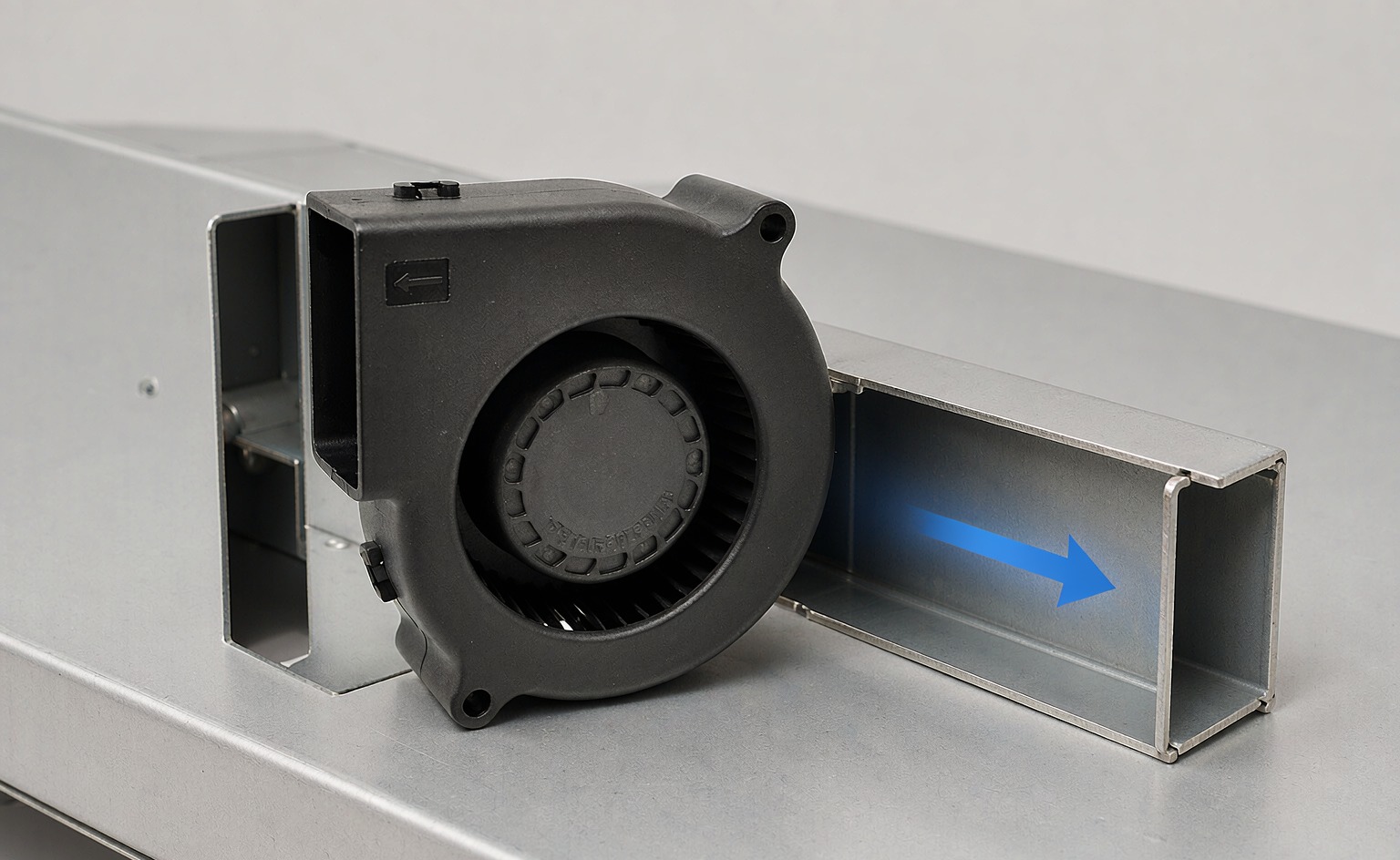
Measure the available width, height and depth. Check where the outlet needs to meet the duct or enclosure opening, and allow clearance around the inlet. Use the model drawing to confirm mounting holes and housing dimensions.
Electrical

Match the Supply Voltage and Control Interface

Choose a version that matches your equipment’s DC supply. Check rated current, connector pinout and any speed control or feedback requirements. If your design needs PWM, FG or RD, confirm the available functions and wiring for the exact model.

Performance Curve

Use the Airflow and Static Pressure Curve

Ducts, grilles, filters and dense heat sinks can restrict airflow. Compare the blower’s P–Q curve with the system resistance curve to estimate the operating point. If system resistance is unknown, evaluate cooling with a sample installed in the equipment.

Compare axial fans and centrifugal blowers →

DIRECTIONAL EQUIPMENT COOLING

DC Blower Applications in Compact Equipment

A side outlet can help route air through an enclosure where space or vent position limits the cooling layout. These three examples show what to check for each airflow path.

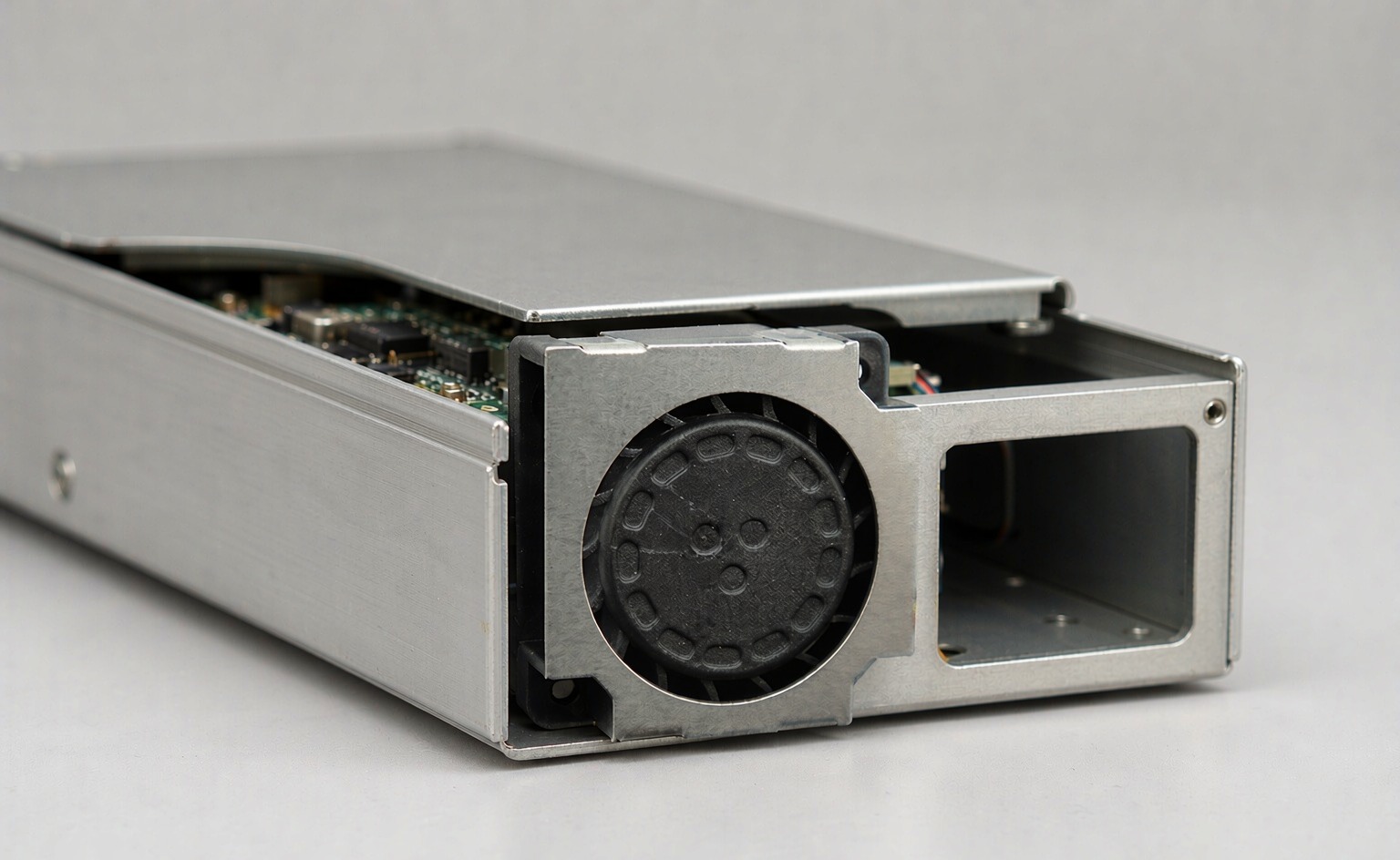
YCCFAN DC2006 20 x 20 x 6 mm micro blower in a shallow enclosure01

Side Exhaust in Shallow Enclosures

Align the blower outlet with the side vent and check the clearance between the inlet and the enclosure cover. When mounting depth is limited, compare the DC2006 micro blower and B3510 by thickness, outlet position and airflow.

Side VentInlet ClearanceMounting Depth
YCCFAN DC7530 75 x 75 x 30 mm blower fan with narrow duct02

Airflow Through Narrow Ducts

A narrow duct can direct air toward a component away from the blower. Check the resistance added by bends, changes in duct width and the outlet opening. For designs that can accommodate a 75 x 75 x 30 mm blower, review the DC7530 voltage and speed options.

Narrow DuctsOutlet PositionPressure Drop
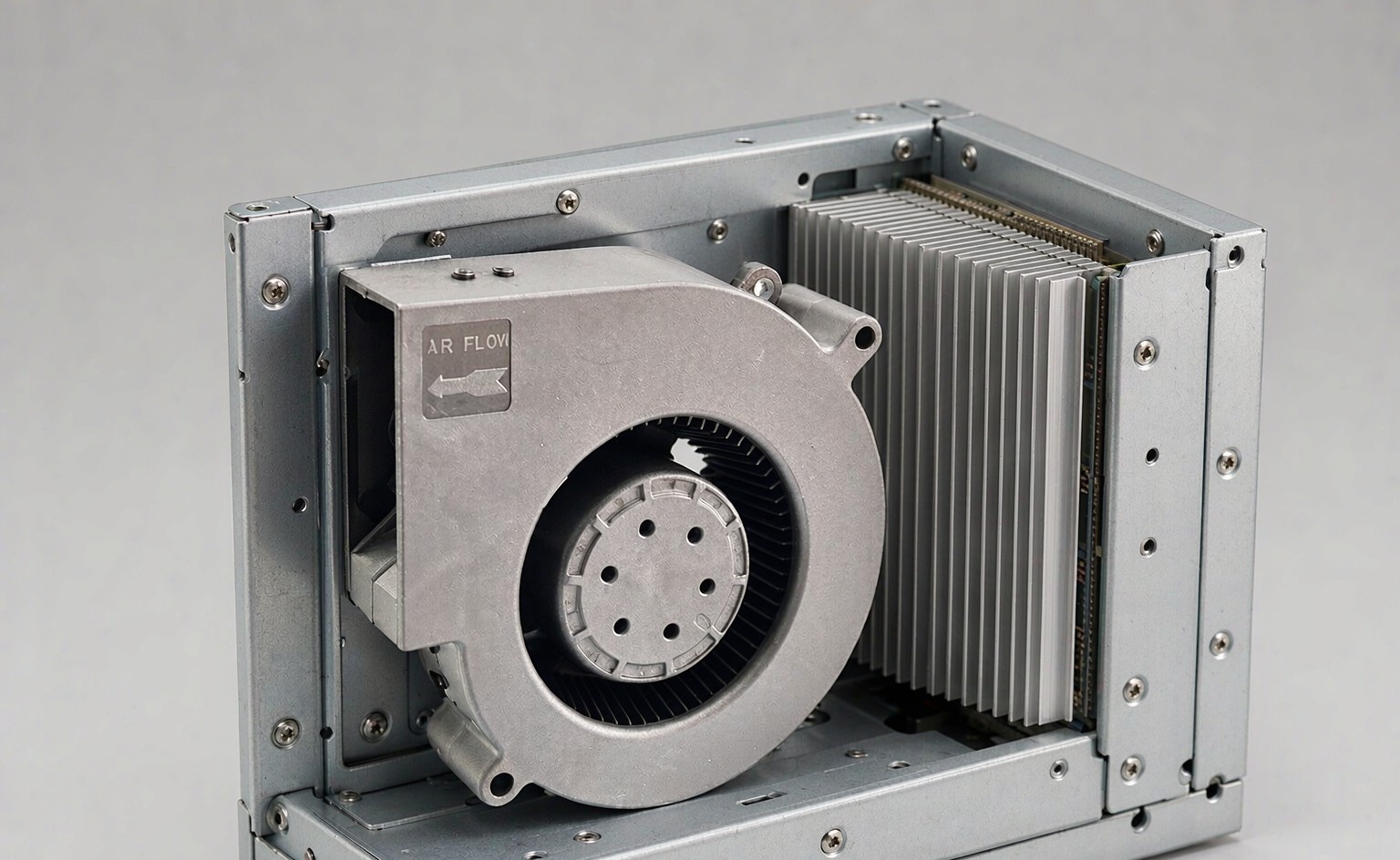
YCCFAN DC9733 97 x 94 x 33 mm centrifugal blower fan over a heat sink03

Directed Airflow Across Heat Sinks

Position the outlet so air passes across the heat sink fins. If closely spaced fins or nearby components restrict airflow, use the DC9733 performance curve to check the available airflow at the expected pressure drop.

Heat Sink FinsDirected AirflowStatic Pressure
CUSTOM DEVELOPMENT & QUALITY

DC Blower Fan Manufacturer for OEM Projects

Based in Shenzhen, China, YCCFAN provides OEM and ODM blower solutions for equipment manufacturers. Our team reviews mounting, electrical and airflow requirements to identify a standard or custom configuration for sample evaluation.

01
Configuration

Specify the Configuration

For a custom DC blower fan project, share your target dimensions, rated voltage, outlet position, cable length, connector and any control or feedback requirements. YCCFAN can review your drawing and assess which options are feasible for the project.

02
Sample Validation

Confirm the Sample Before Production

Review the proposed model drawing and performance curve before requesting a sample. Include your airflow targets, noise limits and test conditions so you can evaluate the sample in the intended assembly.

03
Bulk Orders

Plan Bulk Orders

Share your expected order quantity and delivery schedule when requesting a production quote. YCCFAN can review the configuration, sample availability, minimum order quantity and lead time for your project.

Our Partners

OEM & INDUSTRIAL COOPERATION

Partnering with equipment manufacturers, distributors and OEM customers for reliable DC blower fan solutions.

Geely
Hikvision
Panasonic
Mitsubishi
Formovie
Xiaomi
Hive Box
HAN'S LASER
Hyundai
Galanz
DC BLOWER BUYING GUIDE

Blower Selection and Purchasing FAQs

Find answers about blower sizes, supply voltage, installed airflow, speed control, replacements and OEM purchasing.

Consider a blower when the equipment needs to direct air through a side outlet, into a narrow duct or across a specific heat sink. An axial fan can suit an enclosure with a clear path straight through the fan frame. If both layouts fit, compare the airflow each option delivers at the expected system resistance.

Voltage options vary by model. The DC2006 measures 20 x 20 x 6 mm and comes in 5V and 12V versions. The B8020 measures 80 x 80 x 19 mm and comes in 12V and 24V versions. The DC7530 measures 75 x 75 x 30 mm and comes in 12V, 24V and 48V versions. Use the model drawing to confirm mounting dimensions and outlet position.

Match the blower to the equipment’s supply voltage, then compare rated current, speed and the performance curve. The 12V and 24V versions of the B8020, for example, list the same airflow and static pressure at corresponding speed ratings. Check the specifications for the exact version you plan to order.

The intersection of the blower’s P–Q curve and the system resistance curve estimates the installed airflow. Ducts, filters, grilles and dense heat sinks can increase resistance and reduce airflow. If system resistance is unknown, check cooling performance with a sample installed in the assembled equipment.

Check the mounting holes, housing clearance and outlet position, then verify the voltage, connector pinout and airflow requirements. The DC5015 measures 50 x 50 x 15 mm, while the DC5015F measures 52 x 51 x 15 mm. Compare their drawings and wiring before choosing a replacement.

Some configurations offer PWM speed control, FG speed feedback or RD rotation detection. Confirm the available functions and pinout for the exact part number. If the blower runs at a low setting after startup but will not start from rest at that setting, check the model’s startup requirements and verify the behavior with your controller.

Compare noise ratings for configurations that meet your airflow and pressure requirements. Then check the sound in the assembled equipment, where mounting, inlet clearance and duct geometry can affect what users hear. If buzzing occurs only at certain speeds, check both the speed control settings and the mounting.

Send your housing, voltage, cable, connector or control requirements for an OEM or ODM review. You can also request a dimension drawing, performance curve and any test or certification documents your project requires. Confirm which options and documents are available for the exact configuration.

Send the target model or existing part number, available mounting space, supply voltage, connector details, required airflow or static pressure, and estimated quantity. If you do not have airflow data, include a drawing or photo showing the equipment and its airflow path. These details help YCCFAN review model fit, sample availability, MOQ and lead time.

Request a Blower Sample or Production Quote

Have a model number, an existing blower or an enclosure drawing? Share your supply voltage, mounting space and cooling requirements. Include the number of samples or your estimated production quantity so we can review the configuration and prepare a quote.

TOP