





How Does a Radiator Cooling Fan Work?
This guide explains how a radiator fan works, the differences between common fan configurations and the main factors that affect cooling efficiency.
What Is a Radiator Cooling Fan?
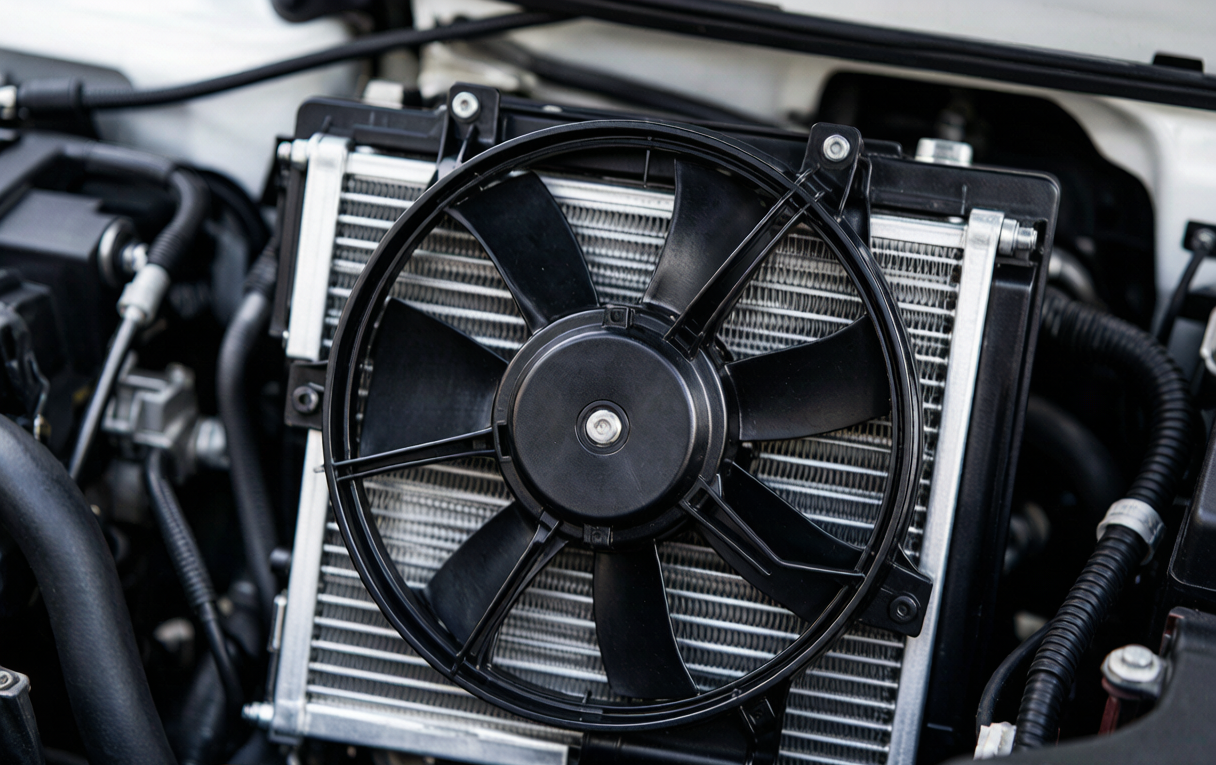
A radiator cooling fan is part of a vehicle's thermal management system. It provides forced airflow across the radiator when vehicle speed alone cannot supply enough cooling air.
Depending on the available space and system layout, the fan may be mounted behind the radiator to pull air through it or in front to push air through it. Its role is especially important during idling, slow driving, traffic congestion and other operating conditions with limited natural airflow. If you are unsure whether a cooling fan and a radiator fan serve the same purpose, our comparison article breaks down the differences in detail.
How Does a Radiator Cooling Fan Work?
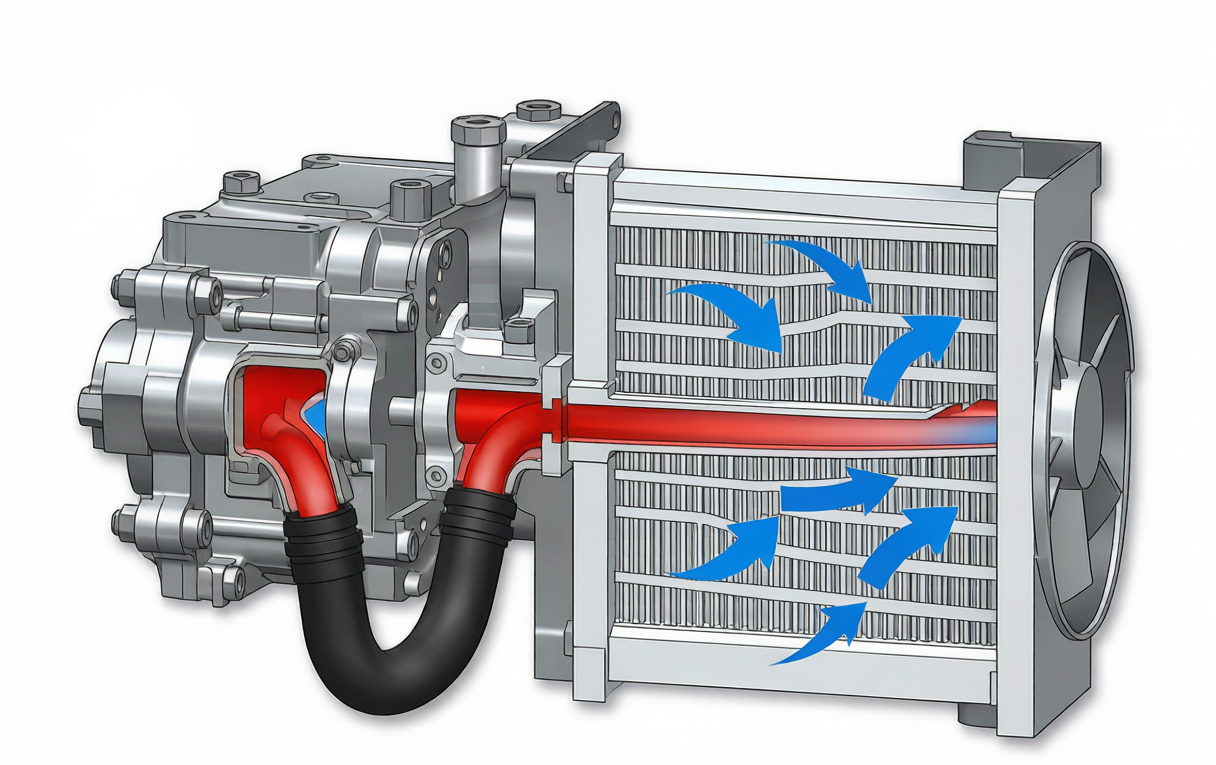
During engine operation, coolant absorbs heat from the engine block and cylinder head before flowing into the radiator. The radiator transfers this heat from the coolant tubes to the surrounding metal fins.
A coolant temperature sensor sends operating data to the ECU or fan control module. When additional cooling is required, the controller supplies power to the fan motor through a relay or electronic driver.
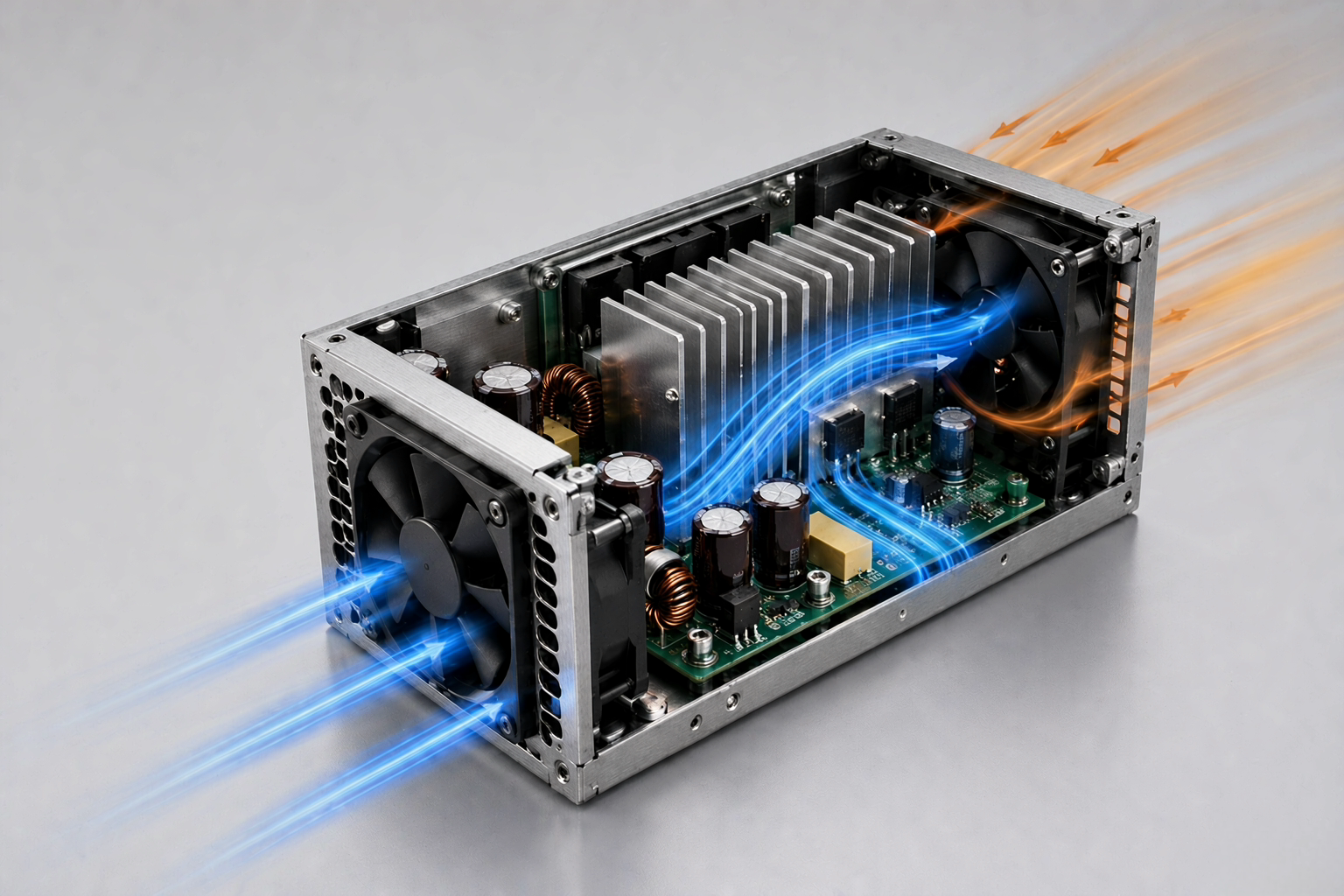
The motor rotates the blades, creating a pressure difference that moves air through the radiator core. As the air passes across the fins, it carries heat away, allowing the cooled liquid to return to the engine.
Once the coolant returns to its normal operating range, the controller switches the fan off or reduces its speed. This demand-based operation maintains a stable engine temperature without unnecessary energy use or noise.
Main Components of a Radiator Fan System
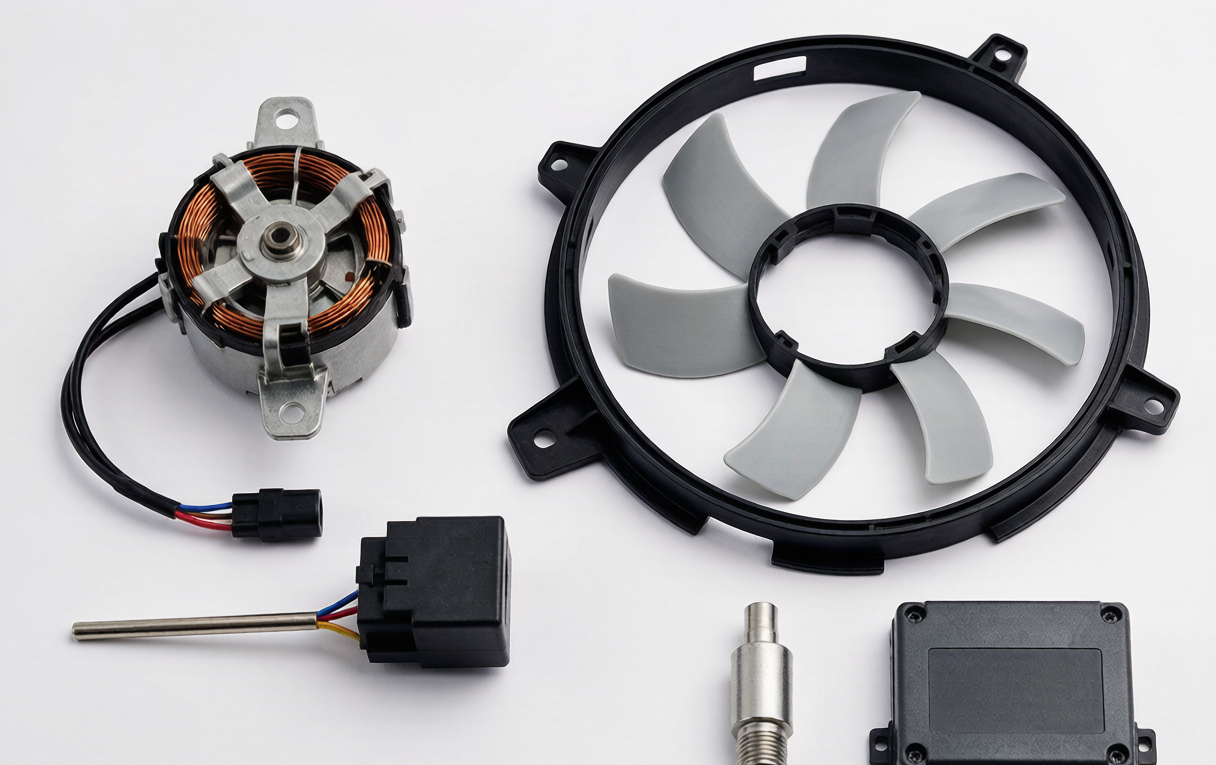
1. Fan Motor
The motor converts electrical or mechanical energy into blade rotation. Modern vehicles commonly use electric DC motors because their operation can be controlled independently of engine speed.
2. Fan Blades
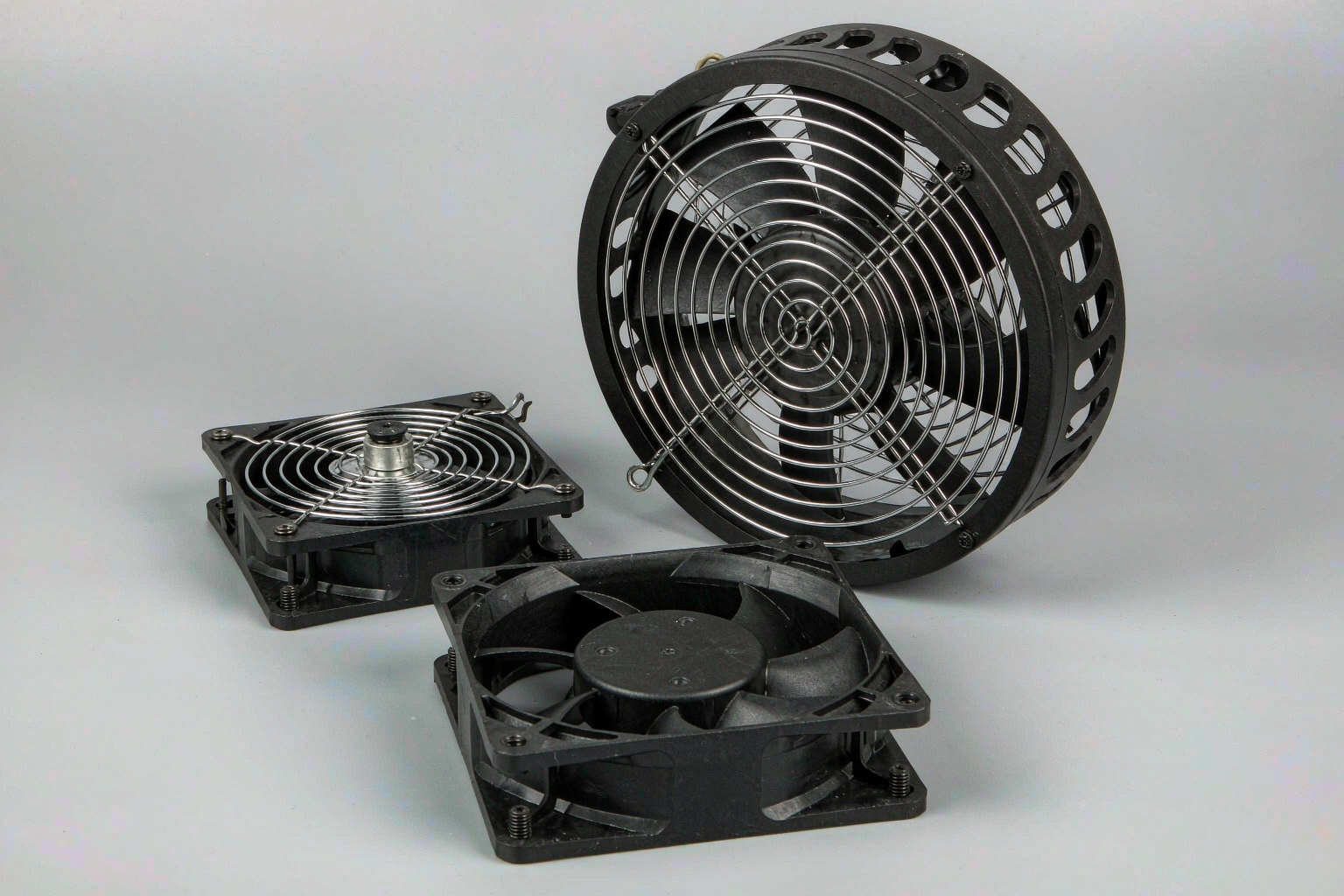
Blade diameter, angle, curvature and quantity influence the volume of air moved, pressure capability, noise level and power demand. These factors must be balanced according to the radiator resistance and cooling load.
3. Fan Shroud
The shroud channels air through the radiator core and limits leakage around the fan. It also helps distribute airflow across a wider fin area instead of concentrating it only behind the blades.
4. Temperature Sensor
The sensor monitors coolant temperature and provides the information required to determine when additional airflow is needed.
5. Relay and Fuse
The relay switches power to the motor, while the fuse protects the fan circuit against overloads and electrical faults.
6. ECU or Fan Control Module
The controller manages fan operation using inputs such as coolant temperature, vehicle speed and air-conditioning pressure. Depending on the system, it may switch the fan on and off or adjust its speed continuously.
Electric vs. Mechanical Radiator Fans
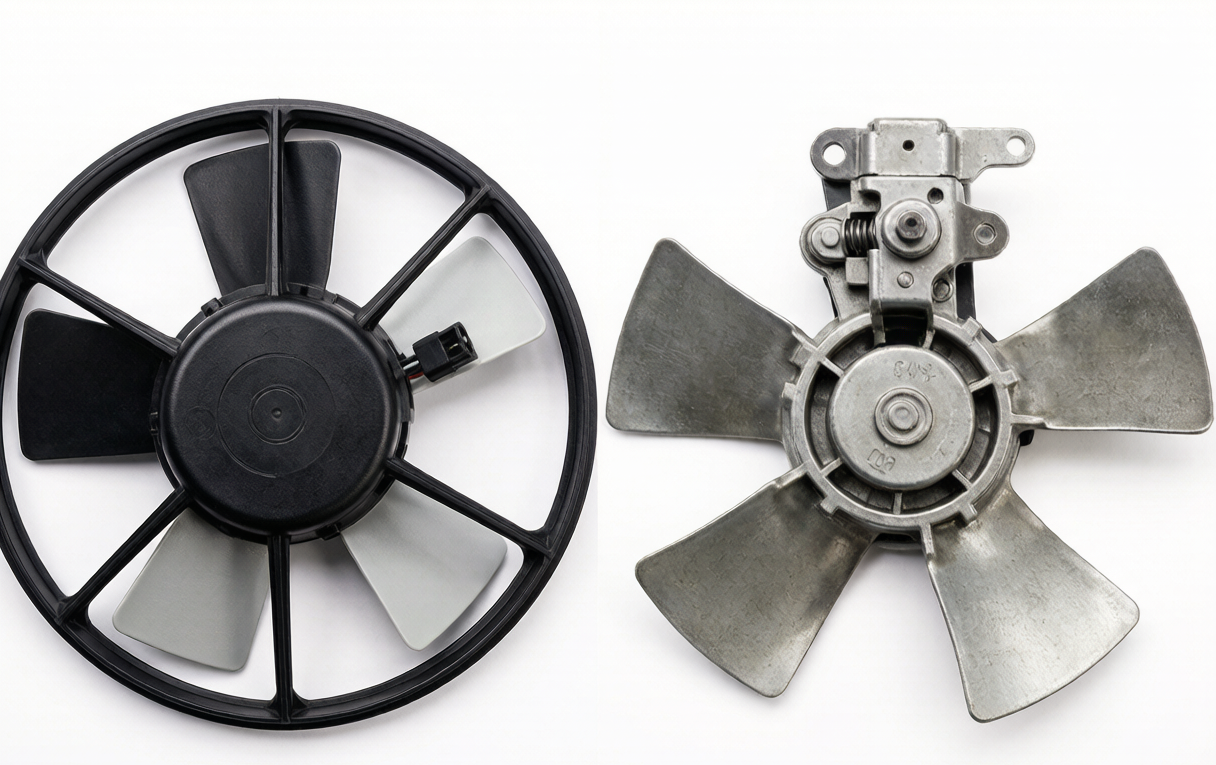
Electric fans provide cooling independently of engine RPM and can operate only when required. This makes them suitable for modern vehicles that need accurate thermal control, lower energy consumption and flexible installation.
Mechanical fans are driven by the engine. A fan clutch may reduce engagement when cooling demand is low, but their operation remains more closely connected to engine speed. Once you have decided on an electric fan, selecting the correct voltage is the next step — our guide on choosing 12V, 24V, and 48V DC cooling fans covers the key factors.
Pusher vs. Puller Radiator Fans
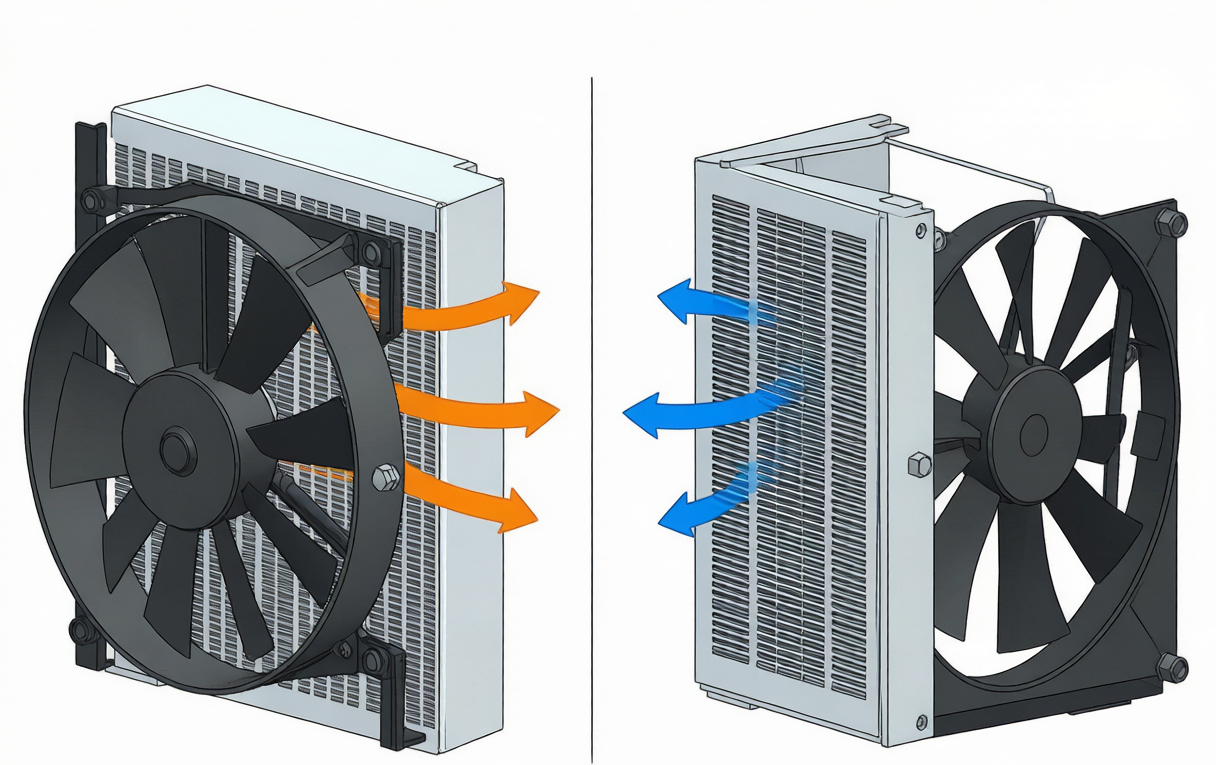
1. Puller Fan
A puller fan is installed behind the radiator, between the radiator and the engine. It draws outside air through the grille, condenser and radiator core before directing it into the engine compartment.
This layout is commonly used for the primary cooling fan because it works efficiently with a fitted shroud. The shroud helps distribute airflow across a larger radiator area, making the configuration suitable for idling, low-speed driving and high thermal loads.
2. Pusher Fan
A pusher fan is mounted in front of the radiator or condenser and forces air rearward through the cooling core. It is often used when space behind the radiator is limited or when additional cooling support is required.
Because the fan sits directly in the incoming airflow path, its motor and frame can create some obstruction. Fan size, mounting position and radiator coverage therefore need to be matched carefully.
The choice between the two depends on installation space, cooling demand and system layout. Regardless of configuration, airflow must follow the vehicle's natural front-to-rear direction. Incorrect rotation or mounting can reduce radiator airflow and cause hot-air recirculation.
What Affects Radiator Fan Cooling Performance?
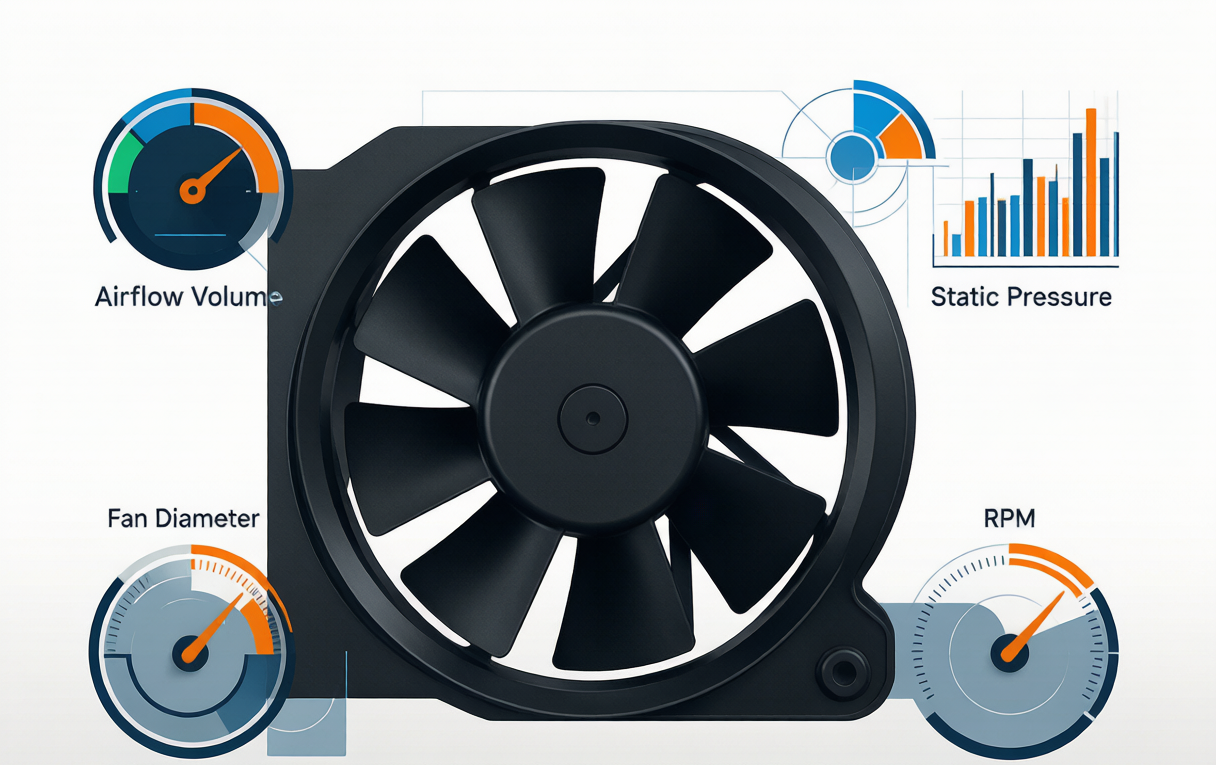
1. Airflow
Airflow indicates the volume of air delivered by the fan, usually measured in CFM or m³/h. However, a free-air rating does not show how the fan will perform after it is installed against a radiator.
2. Static Pressure
Static pressure represents the fan's ability to overcome airflow resistance. Radiator fins, air-conditioning condensers, front grilles and restricted engine compartments can all reduce the volume of air reaching the cooling surface.
A fan with strong free-air performance may still deliver insufficient cooling if its pressure capability is too low for the actual system.
3. Fan Size and Speed
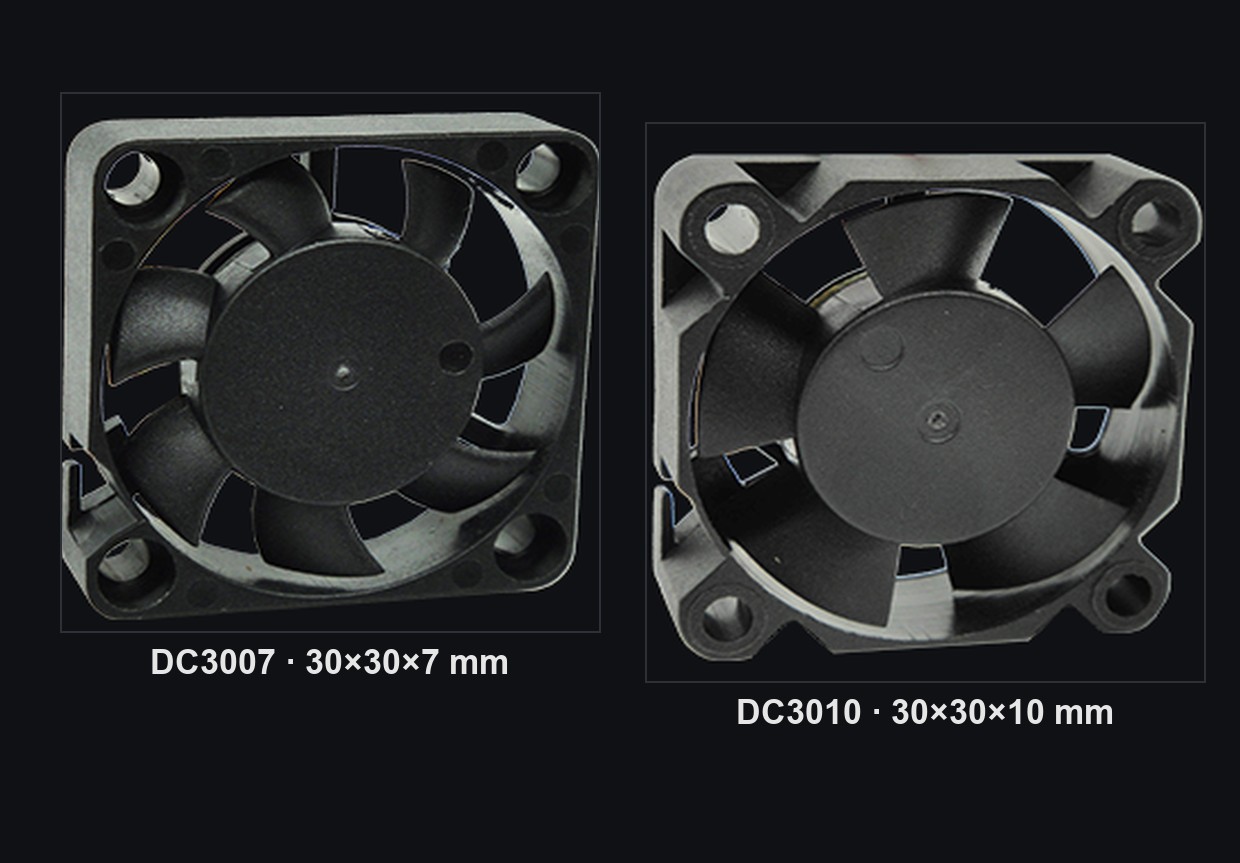
Fan diameter, frame depth and rotational speed affect airflow and pressure output. Increasing size or RPM can improve cooling capacity, but may also raise current draw, noise, vibration and motor load.
The correct specification should therefore reflect the thermal load, installation space, electrical supply and required operating life.
4. Fan Shroud and Installation
A well-designed shroud improves radiator coverage and limits air leakage. Mounting distance, sealing, fan position and nearby components also influence how efficiently air passes through the core.
For this reason, a radiator fan should not be selected using free-air airflow alone. Its airflow and static pressure must match the resistance of the complete radiator system. Understanding these performance factors helps you appreciate the broader advantages cooling fans bring across different applications.
How Are Modern Radiator Fans Controlled?
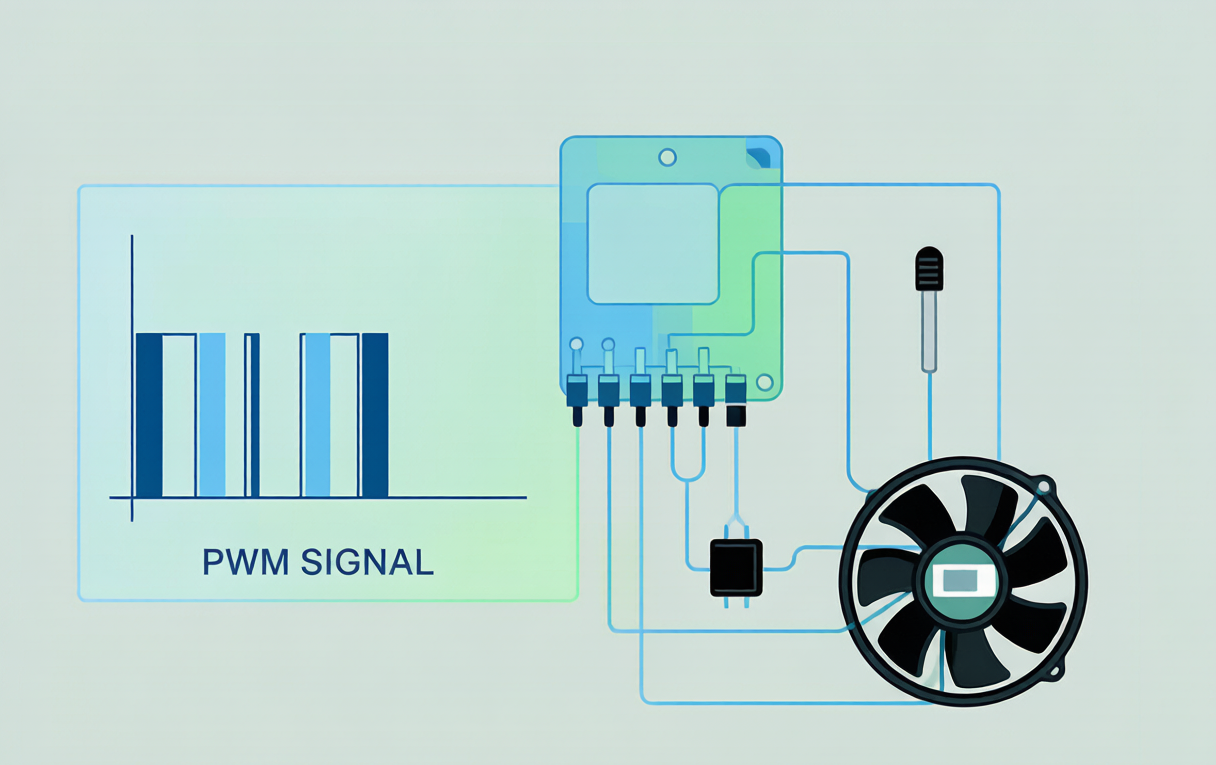
1. On/Off Control
The fan starts when coolant temperature reaches a set threshold and stops after the temperature falls to a lower level. This method is simple, but the motor usually runs at full speed whenever activated.
2. Two-Speed Control
A two-speed system uses low speed under normal thermal loads and switches to high speed when coolant temperature or air-conditioning pressure increases. This reduces unnecessary power use and noise during moderate operation.
3. PWM Variable-Speed Control
PWM control regulates fan speed through a pulsed electrical signal. The ECU adjusts the signal according to real-time cooling demand, allowing the motor to deliver only the airflow required at that moment.
This provides more stable temperature control while reducing sudden speed changes, electrical consumption and operating noise. It is increasingly used in modern vehicles with more precise thermal management requirements.
How YCCFAN Tests Cooling Fan Performance

YCCFAN evaluates cooling fans through dedicated airflow and static pressure testing, noise measurement, reliability testing and high-precision dynamic balance control. Automated production and inspection, supported by IATF 16949 quality management and a daily capacity of more than 250,000 units, help maintain consistent performance across production batches. These checks verify that the fan can deliver stable airflow, resist vibration and operate reliably under real radiator resistance rather than only under free-air conditions.
Frequently Asked Questions
1. At What Temperature Should My Radiator Fan Kick On?
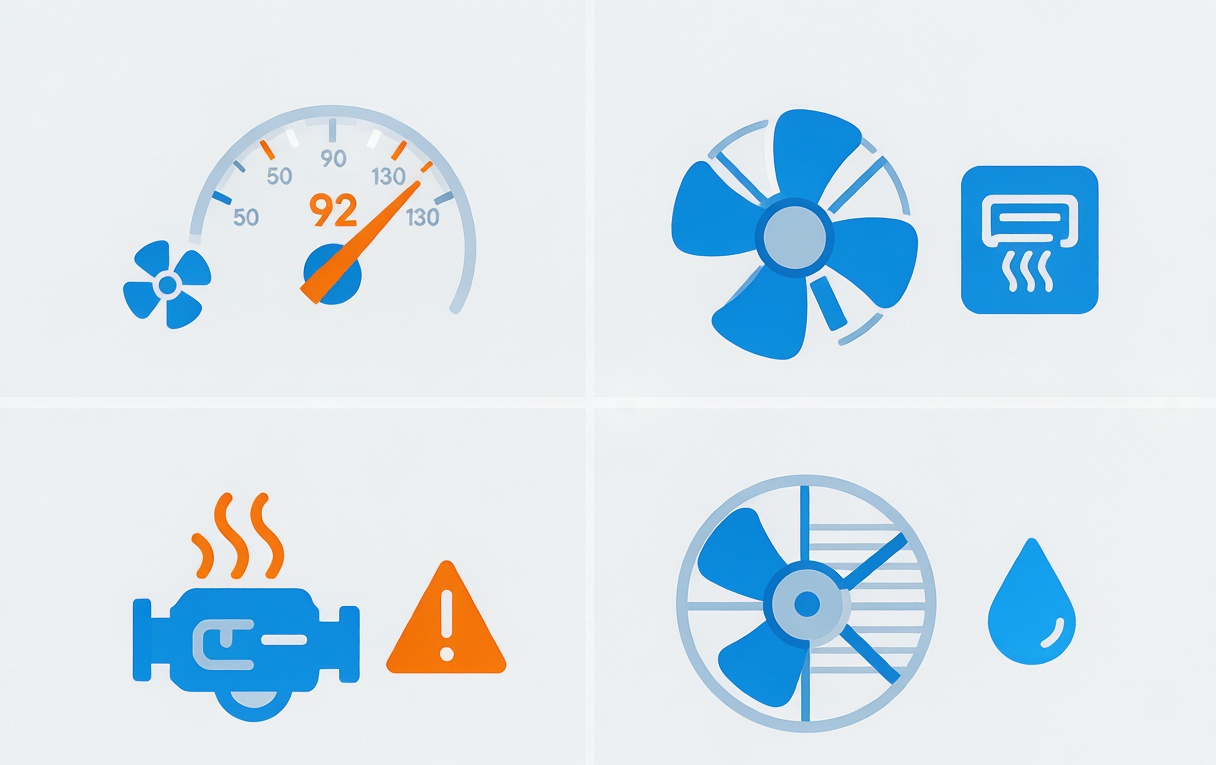
A radiator fan commonly starts operating at around 92°C (198°F), but the exact switch-on temperature depends on the vehicle and its ECU calibration. Some systems use separate low- and high-speed thresholds based on coolant temperature, air-conditioning pressure and engine load. Check the vehicle service manual when an exact activation temperature is required.
2. Does the Radiator Fan Always Run When the Car's A/C Is On?
No, the radiator fan does not always run continuously whenever the A/C is switched on. Many vehicles activate the radiator or condenser fan to remove heat from the condenser, but variable-speed systems may cycle the fan or adjust its speed according to refrigerant pressure and cooling demand.
3. What Happens If the Radiator Fan Does Not Work?
If the radiator fan fails, the engine may overheat during idling, slow driving or traffic because there is insufficient airflow through the radiator. A failed fan can also reduce A/C performance at low vehicle speeds because the condenser cannot release heat effectively. The fan motor, fuse, relay, temperature sensor and control module should be checked before continued operation.
4. Can a Radiator Fan Keep Running After the Engine Is Turned Off?
Yes, a radiator fan may continue running briefly after the engine is switched off. The ECU can keep the fan operating when residual heat remains in the engine compartment or cooling system, and it stops after the temperature falls to the programmed level. Continuous operation for an unusually long period may indicate a sensor, relay or fan control problem.
5. Is a Puller Fan Better Than a Pusher Fan?
A puller fan is generally preferred as the primary radiator fan when sufficient space is available behind the radiator. It draws air through the radiator core and can provide more even airflow when combined with a properly designed shroud. A pusher fan remains useful where rear mounting space is limited or additional cooling support is required.
6. Why Is Static Pressure Important for a Radiator Fan?
Static pressure determines how effectively a radiator fan can move air through resistance created by radiator fins, the A/C condenser and the front grille. A fan may have a high free-air airflow rating but deliver much less air after installation if its static pressure is insufficient. Radiator fan selection should therefore consider both airflow and pressure performance.
Conclusion
YCCFAN provides tested automotive cooling fan solutions with airflow and pressure verification, noise testing, dynamic balance control and OEM/ODM customization. If you need a fan tailored to your specific voltage, size, and airflow requirements, explore our custom cooling fan manufacturing options and contact YCCFAN with your specifications to find a suitable cooling solution for your radiator application.