




What are The Benefits of Cooling Fans?
This article focuses on how cooling fans work, their key benefits, limitations, and types. Cooling fans not only improve indoor comfort and air circulation but also provide effective cooling for electronics and industrial applications. By exploring different fan types and use scenarios, this guide helps readers make informed choices for the right cooling solution.
How Cooling Fans Work
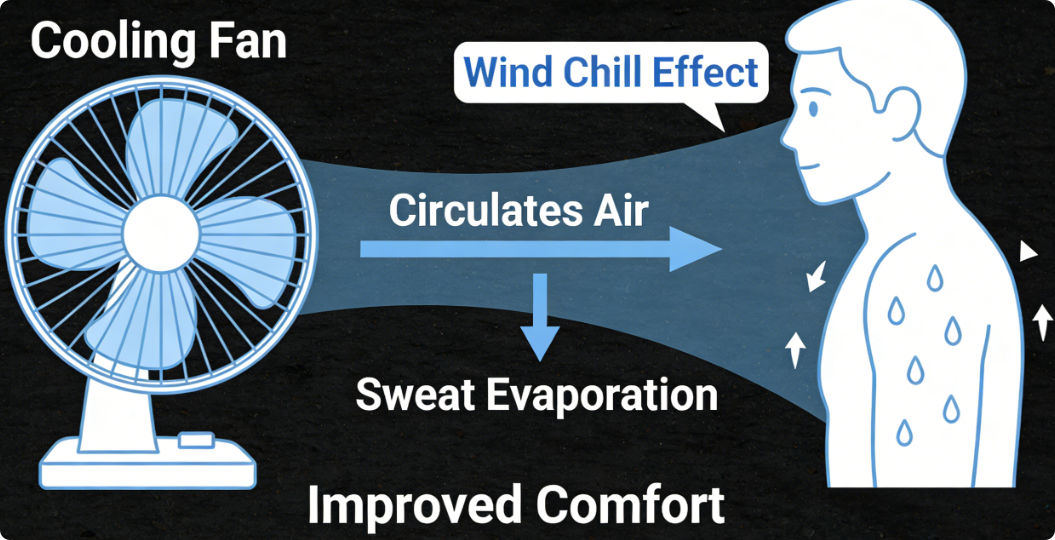
Cooling fans circulate air to enhance sweat evaporation from the skin, creating a“wind chill effect”that makes people feel cooler without changing the room temperature. This steady airflow improves comfort by promoting better air movement.
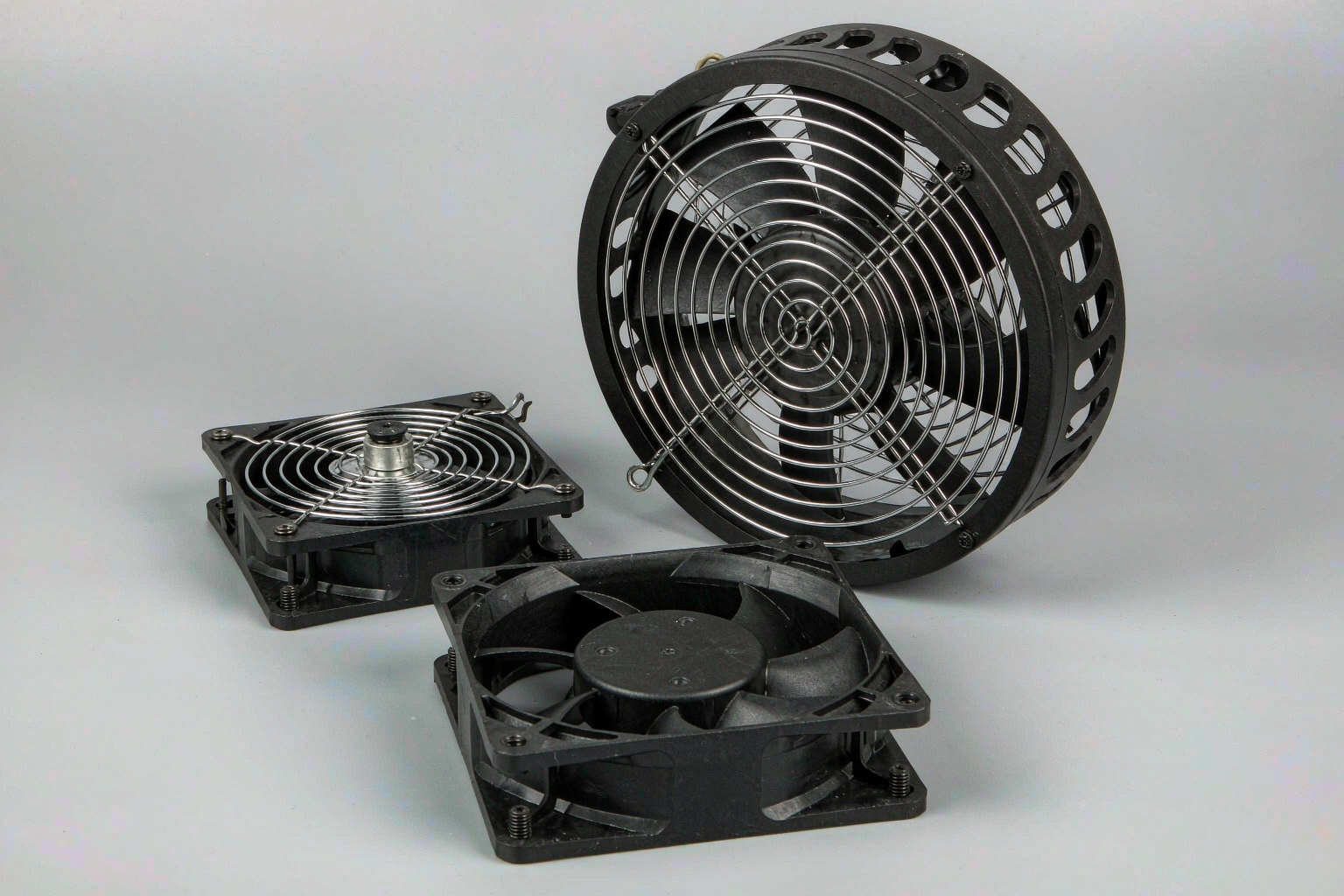
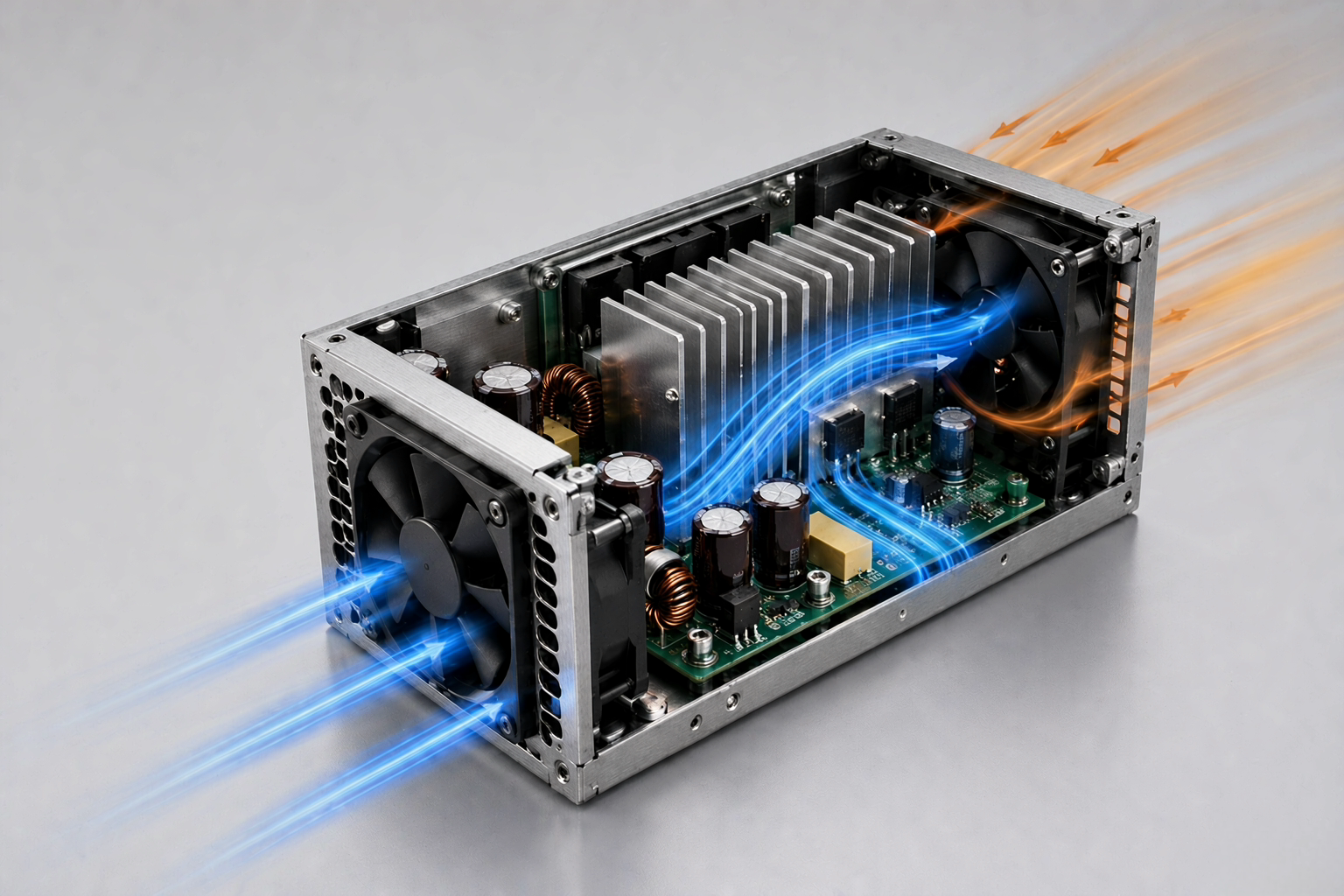
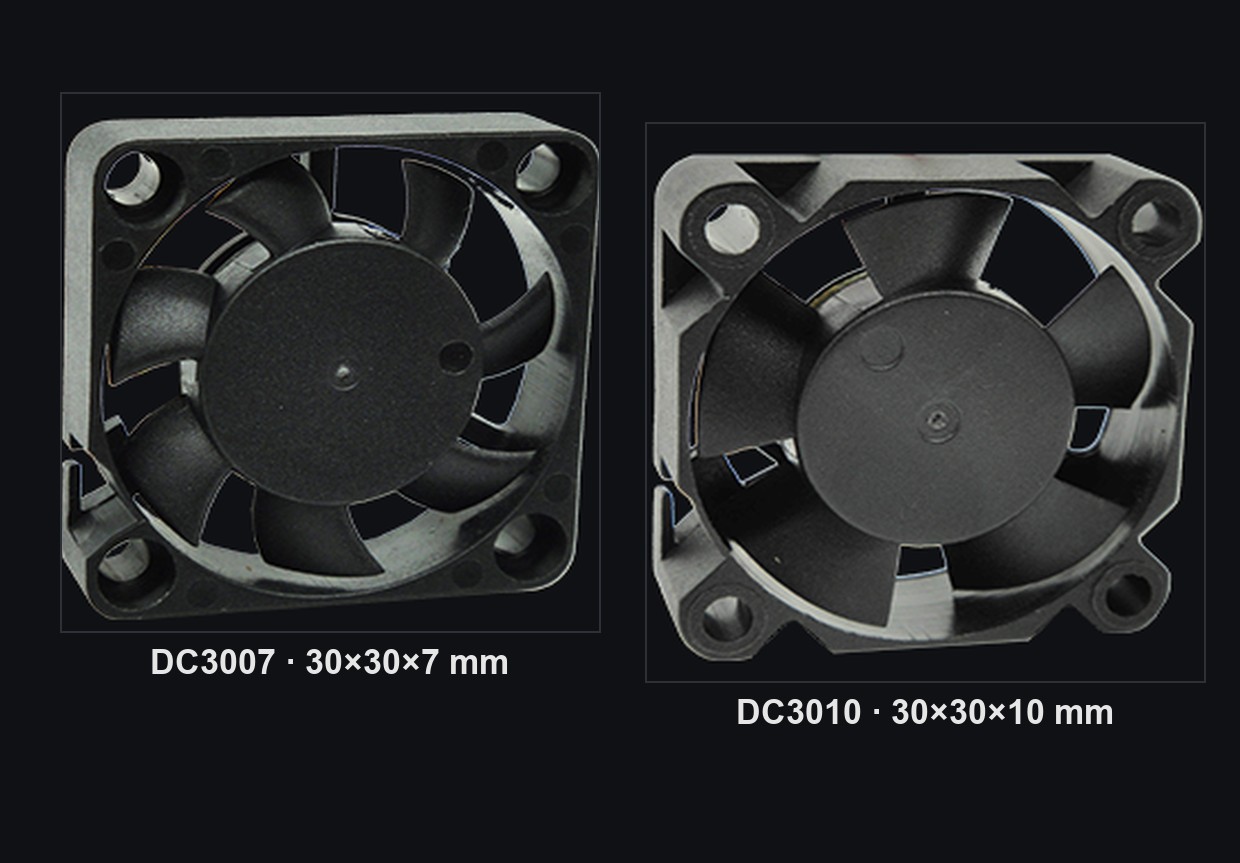
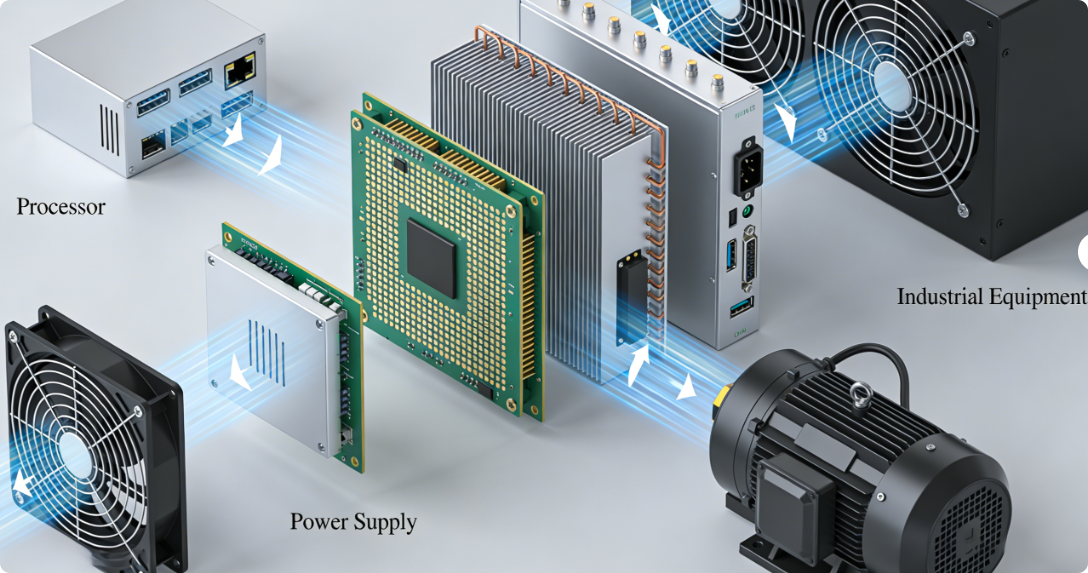
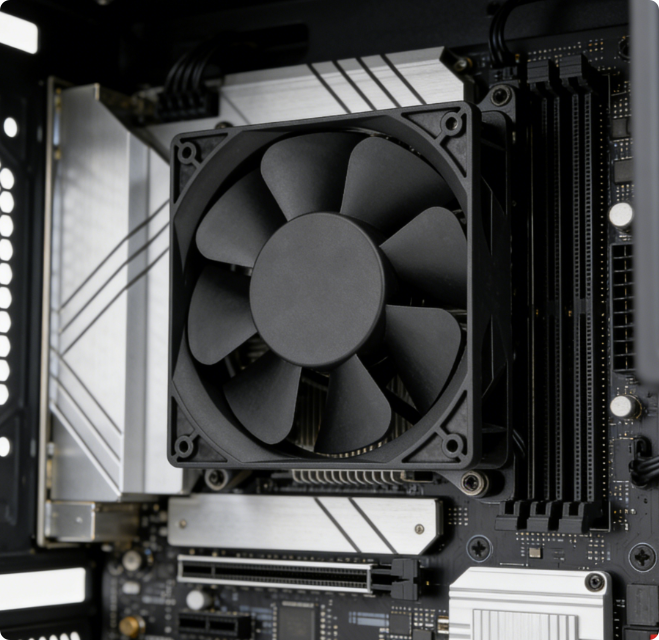
Small fans for machines or electronics direct air over heat-generating components, such as processors, power supplies, or industrial equipment. This airflow dissipates heat, prevents overheating, and helps maintain stable operating temperatures, protecting sensitive parts and extending the lifespan of the equipment.
Key Benefits of Cool Fans
1. Improved Thermal Comfort
Cool fans create a “wind chill effect” by moving air across the skin, which speeds up sweat evaporation and enhances the body’s natural cooling. Unlike mechanical cooling systems, this gentle airflow provides a steady sense of comfort without overcooling. Continuous air movement prevents hot spots and reduces stuffiness in poorly ventilated spaces. Studies show that even modest air circulation can make people feel 2–3°C cooler, highlighting the effectiveness of properly positioned fans in bedrooms, living rooms, and offices.
2. Energy Efficiency and Cost Savings
Cooling fans use far less electricity than traditional air conditioning—sometimes up to 100 times less—making them an energy-efficient choice. They can be used alone for personal cooling or alongside HVAC systems, allowing thermostats to be set higher without sacrificing comfort. By directing airflow only where needed, fans avoid wasting energy on empty spaces. Over time, regular fan use can cut electricity costs by 10–30% and reduce carbon emissions, according to energy studies.
3. Improved Air Quality and Distribution
Fans keep air moving throughout a room, preventing stagnant zones and distributing temperature more evenly. This circulation balances humidity, reduces the risk of mold or mildew, and disperses dust and odors. Indoor air quality research shows that steady airflow improves perceived freshness and comfort, especially in areas with limited ventilation. Cooling fans not only enhance comfort but also contribute to healthier indoor environments.
4. Prevent Overheating Electronics
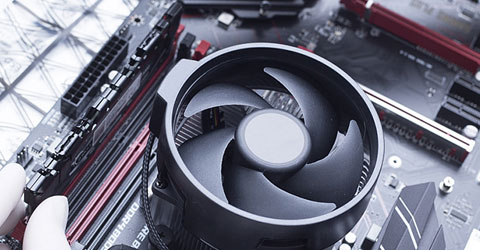
Small and industrial cooling fans help maintain safe temperatures in electronics, computers, servers, and machinery. By directing airflow over hot components, they remove excess heat, reduce thermal stress, and maintain system performance. Cooling fans industrial protect sensitive parts, lower the risk of unexpected shutdowns, and extend equipment lifespan. In data centers, precision cooling fans are critical to prevent server overheating and support continuous, reliable operation.
5. Versatility & Convenience
Cooling fans are lightweight, portable, and easy to use, requiring minimal setup. They can be placed on desktops, floors, or ceilings to provide targeted or room-wide airflow. Many ceiling fans have reversible rotation to circulate warm air in winter, improving energy efficiency. Fans are suitable for homes, offices, and outdoor spaces, functioning as temporary relief or permanent airflow solutions. Real-world use shows how easily they can be deployed wherever ventilation is needed.
6. Noise Benefits
Many cool fans produce soft white noise, which helps mask background sounds and creates a more focused or relaxing environment. In offices, the gentle hum reduces distractions and improves concentration. In bedrooms, it promotes relaxation and better sleep. Industrial and technical spaces also benefit, as fan noise can smooth abrupt mechanical sounds and improve acoustic comfort. Studies on sound masking confirm that steady ambient noise, like that from fans, can reduce perceived disturbances and boost productivity and rest.
Limitations of Cooling Fans
Cooling fans have certain limitations depending on their use. For personal or indoor cooling, they are less effective in extremely hot and dry conditions (above 35°C–38°C) and cannot lower the actual air temperature. High humidity can also reduce their perceived cooling effect.
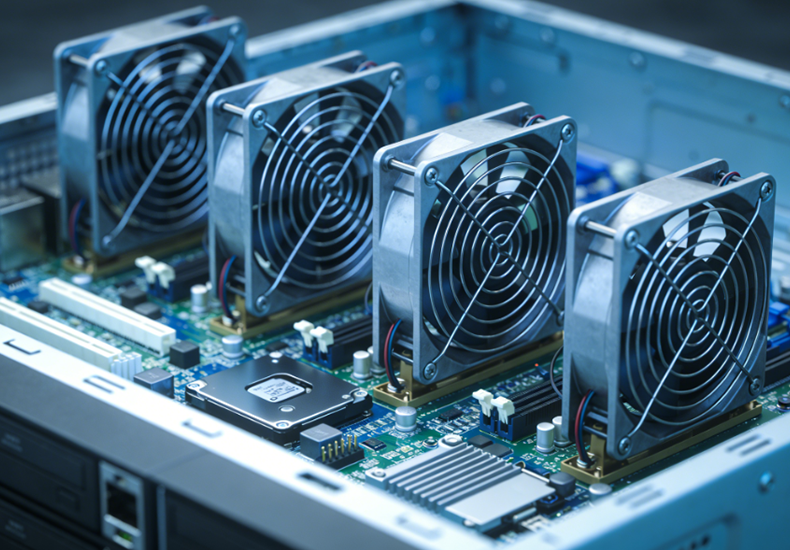
When used for electronics, computers, or industrial machinery, small or industrial fans may underperform if airflow is blocked, dust builds up, or heat output exceeds their capacity. High-speed operation can produce noticeable noise, and in extreme conditions, fans might not fully prevent overheating, limiting their efficiency in demanding environments.
Types of Cooling Fans
Type of Cooling Fan | Description |
Desk Fans | Compact and portable, ideal for personal use. |
Pedestal Fans | Adjustable height, suitable for larger areas. |
Ceiling Fans | Efficient air circulation for entire rooms. |
Industrial Fans | Heavy-duty cooling for machinery and workspaces. |
Portable / USB Fans | Lightweight, convenient for travel or small spaces |
Conclusion
Whether for home, office, or industrial use, selecting the right cooling fan can greatly enhance comfort and protect equipment. Understanding their benefits, limitations, and types helps you choose wisely based on your needs. Explore YCCFAN’s high-quality, energy-efficient industrial cooling fans today and experience reliable performance and comfort wherever you need it!
Read more:
https://www.yccfan.com/articledetail/how-to-choose-a-truly-noiseless-cooling-fan.html
https://www.yccfan.com/articledetail/precision-manufacturing-in-industrial-cooling-fans.html