


Are the Application Scenarios for Small Blowers?
With their compact size, low energy consumption, and low noise, small blower fan play an irreplaceable and crucial role in various industries and scenarios. This article focuses on the core application scenarios of small blower fan, deeply integrating their core characteristics, industry standards and specifications, and practical engineering cases. It systematically sorts out and precisely breaks down their specific application scenarios in various fields, providing practical and implementable references for equipment procurement personnel, operation and maintenance practitioners, and industry newcomers. This helps relevant personnel accurately match scenario requirements and effectively avoid various misunderstandings in the selection and use process.
What is a small blower?
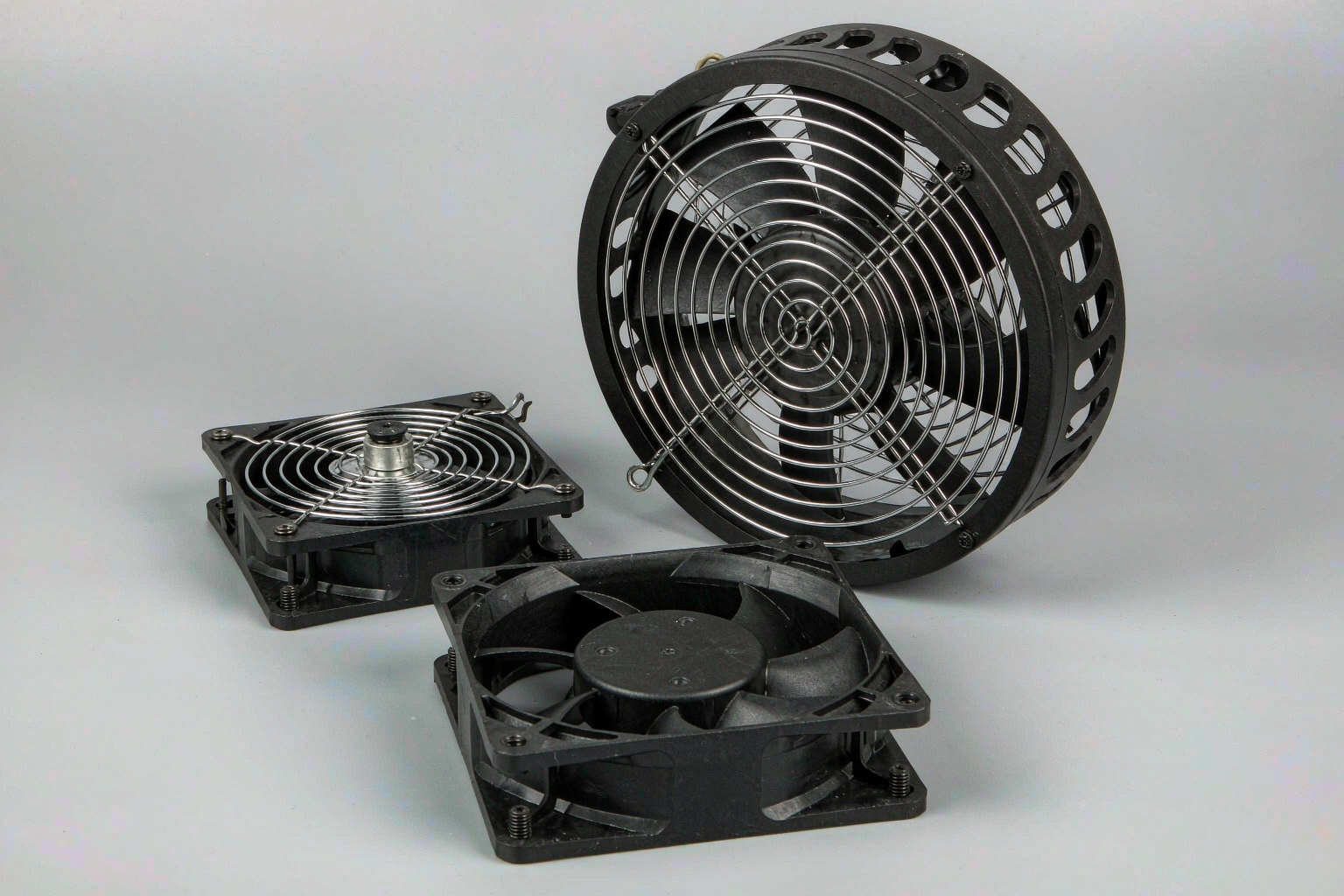
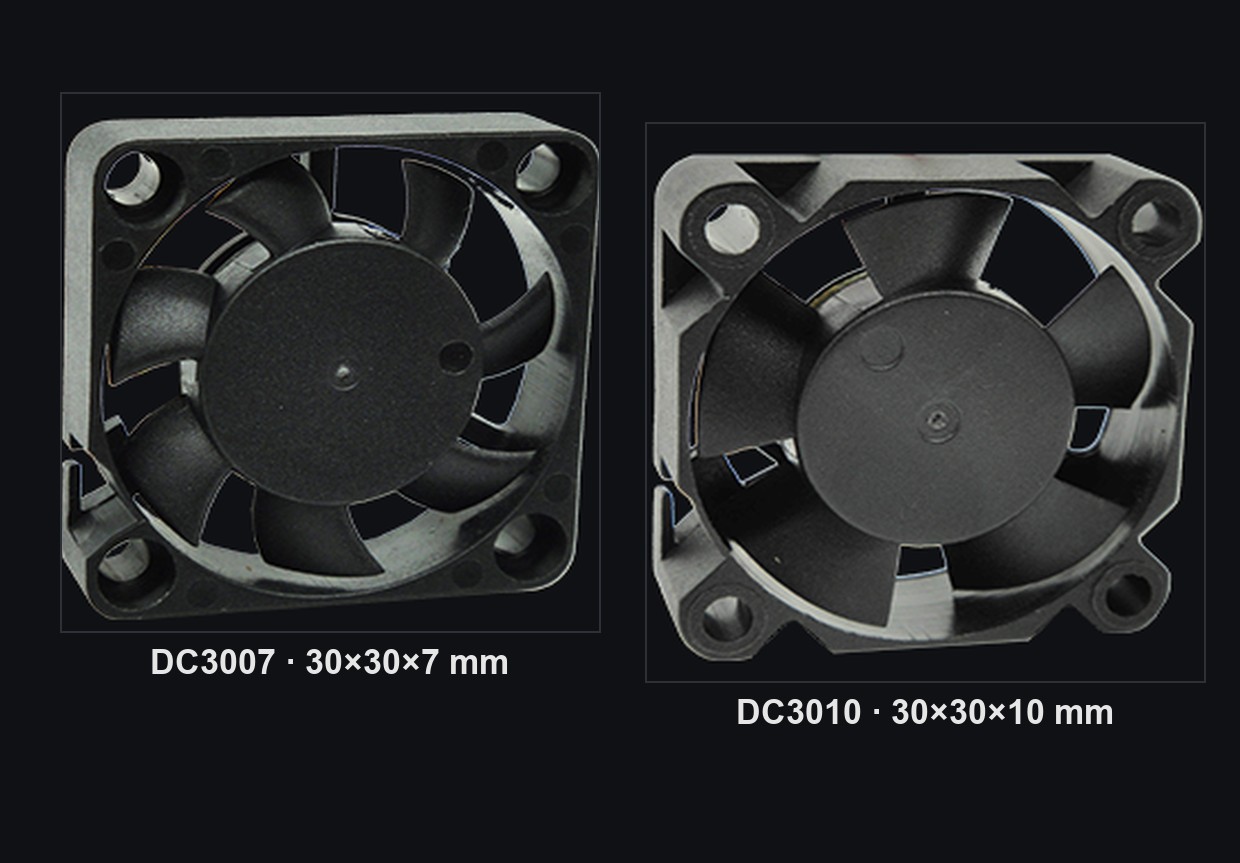
Professional definition: Small blowers refer to airflow conveying equipment that is compact in size (usually body size ≤30cm), with moderate air volume (1-50m³/min), pressure range of 5-10kPa, and can be adapted to low-pressure and low-flow working conditions. They are based on centrifugal or axial flow principles and are mainly divided into three categories: AC small blowers, DC blower (including 12V/24V), and mini blower fan.
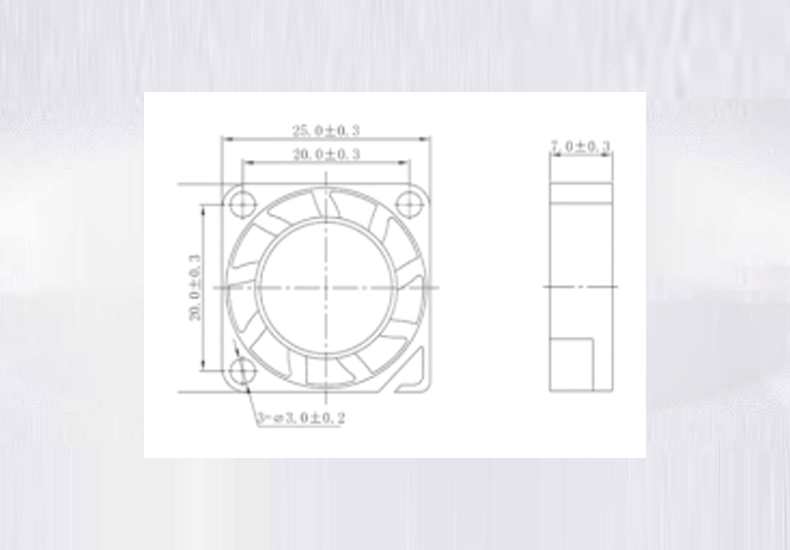
Core features: Low energy consumption (power ≤500W), low noise (operating noise ≤75dB), easy installation, strong adaptability, can be flexibly embedded in small equipment, enclosed spaces or portable scenarios, unlike the high pressure and large flow characteristics of large blower fan, it focuses on "compact and practical, precise adaptation".
Industry reference standards: Adhering to GB/T 13928-2018 "Limits for Noise of Industrial Fans" and ISO 1940-1 "Classes of Balance Accuracy", ensuring that the application scenario descriptions comply with industry standards and enhancing the authority of the content.
Core Advantages of Small Blowers
Adaptability advantages: Compact size, can be embedded in cabinets and small equipment, does not require a lot of installation space, and is suitable for special working conditions such as enclosed and narrow spaces.
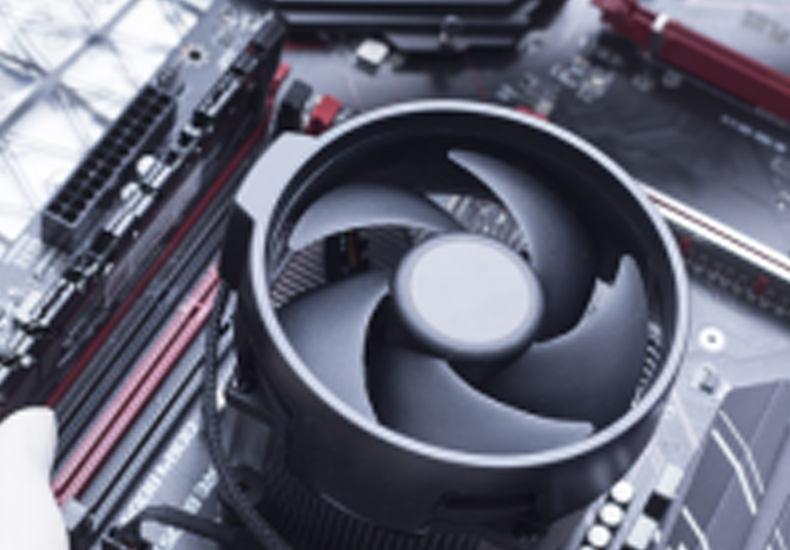
Operational advantages: Low energy consumption and low noise, suitable for civilian, office and precision equipment scenarios, avoiding the troubles caused by high energy consumption and high noise.
Flexible advantages: It can be adapted to 12V/24V low voltage power supply, supports portable and mobile use, and can be equipped with additional functions such as filtering and speed adjustment according to the needs of the scenario.
Core Application Scenarios of Small Blowers
Electronic Equipment Field
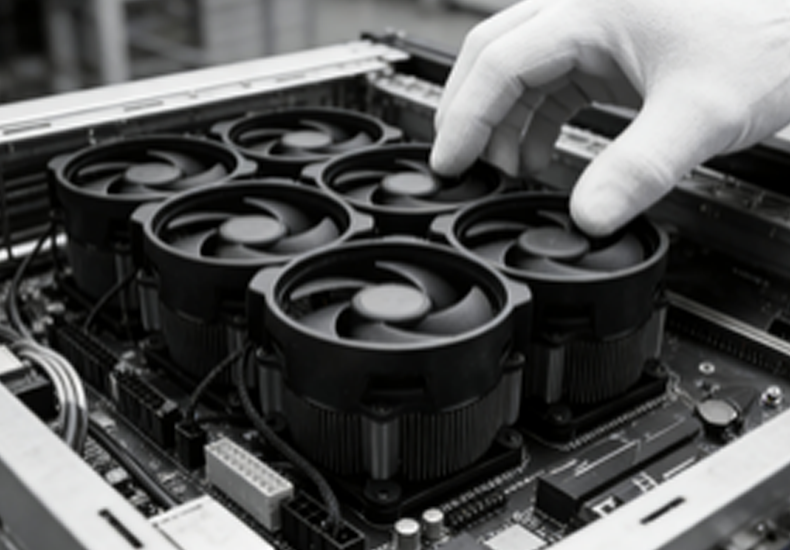
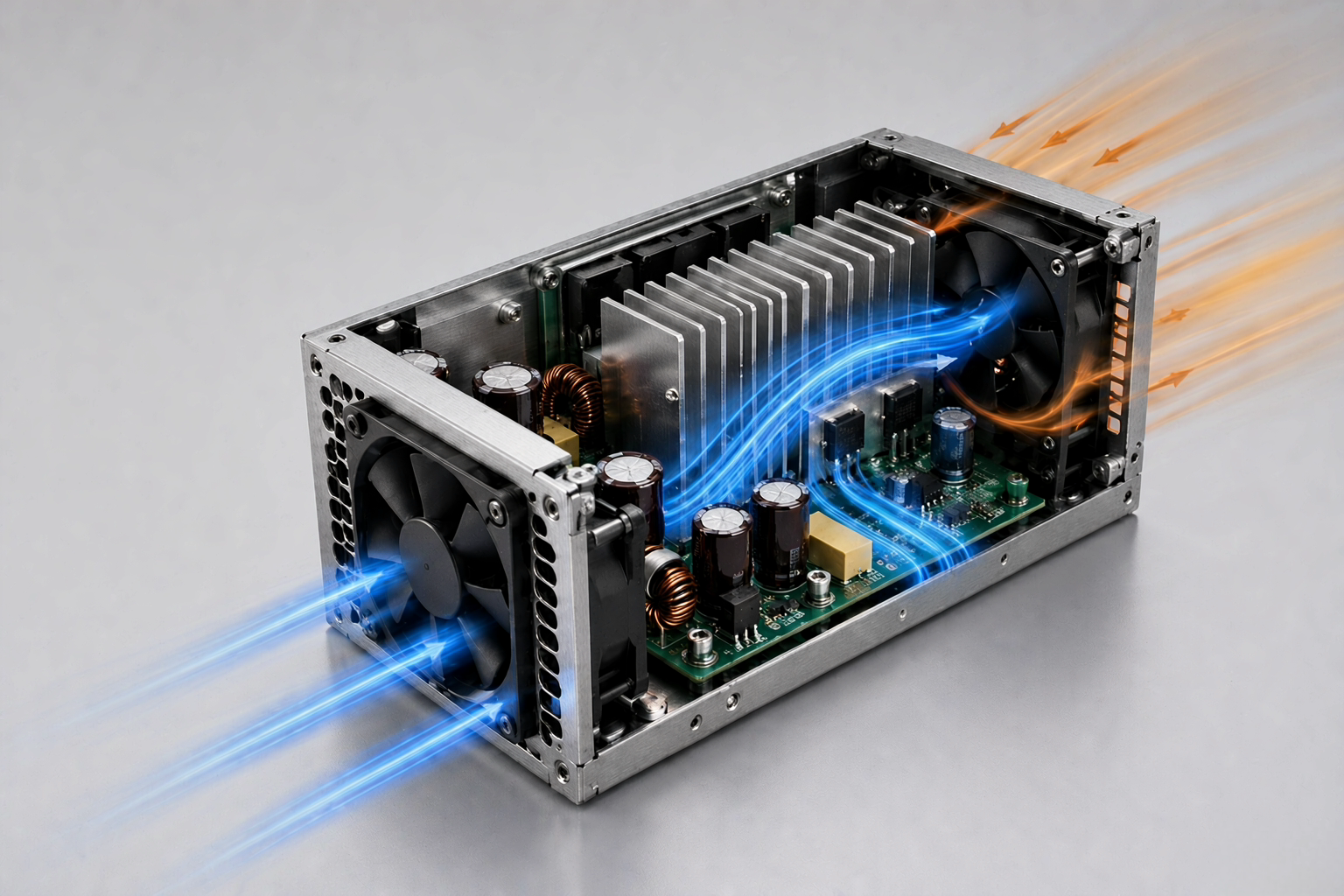
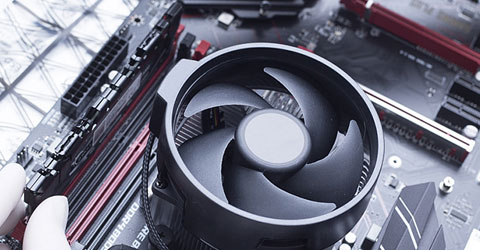
Core logic: Electronic devices generate heat during operation. Small blowers can quickly circulate air to remove heat, preventing overheating, jamming, and damage to the equipment. They are suitable for the heat dissipation needs of various small electronic devices and are currently the most mainstream application scenario for small blower fan .
Industrial electronic cabinet heat dissipation: such as PLC control cabinets, router cabinets, and small server cabinets, adapted to 12V blower fan , through embedded installation, to realize the exhaust of hot air inside the cabinet, ensuring the stable operation of electronic components (Case: PLC cabinets in factory production lines use micro centrifugal blowers to solve the heat dissipation problem of sealed cabinets).
Cooling of small precision instruments: such as laboratory testing instruments, medical testing equipment (blood glucose meters, detectors), and industrial sensors, which are adapted to mini blower fan and require low noise and low vibration to avoid affecting the instrument's testing accuracy.
Auxiliary heat dissipation for consumer electronics: such as desktop computer cases, game consoles, and projectors, equipped with axial blower to assist in heat dissipation, improve the smoothness of device operation, and extend service life.
Industrial Small Equipment Sector
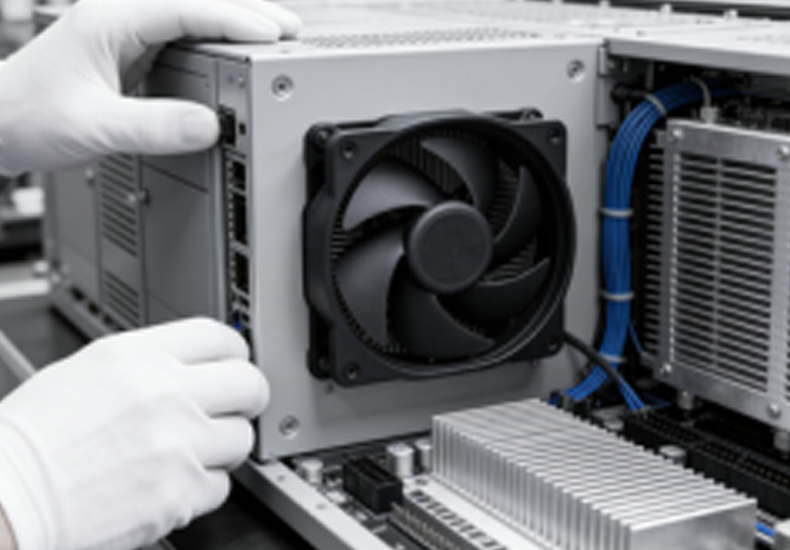
Core logic: In industrial production, some small equipment and auxiliary links of the production line do not require the high pressure of high pressure blowers , small blowers can accurately match the airflow requirements of small flow and low pressure, reduce production costs and improve production efficiency.
Small assembly line ventilation: such as small food assembly lines and electronic component assembly lines, industrial blower fan are used to achieve local ventilation of the assembly line, remove dust and odors, ensure a clean production environment, and comply with the hygiene standards of the food and electronics industries.
Small material conveying: For small powdery or granular materials (flour, electronic component particles), a small centrifugal blower is used to achieve short-distance, small-batch material conveying, avoid material accumulation, and is suitable for small processing plants and laboratory scenarios.
Industrial dust removal assistance: such as local dust removal for small machine tools and grinding equipment, combined with a small blower and filter device, to suck out the dust generated during equipment operation, protect the health of operators, and prevent dust from damaging the equipment.
Residential and Home Furnishings
Core logic: Focusing on the needs of daily life and home use, emphasizing convenience, low noise, and low energy consumption, adapting to home, office, and small commercial scenarios, meeting the needs of the general public, and improving content relevance.

Home ventilation: such as small fresh air systems, kitchen fume extraction assistance, and bathroom ventilation, using axial blower to achieve local ventilation and improve home air quality. They are compact and do not take up much home space.
Office and Commercial Auxiliary Equipment: such as heat dissipation for small projectors, ventilation for office equipment, and ventilation for small convenience store refrigerators, suitable for office scenarios and small commercial venues, meeting the requirements of low noise and convenient installation.
Portable ventilation equipment: such as portable fans, outdoor tent ventilators, and small dehumidifiers, using 12V blower fan, supporting charging and low-voltage power supply, suitable for outdoor and mobile scenarios, flexible and convenient.
New Energy and Medical Fields

New energy equipment compatibility: such as small energy storage power stations, portable charging piles, and new energy vehicle on-board equipment, adopt DC blower fan to achieve equipment heat dissipation, adapt to low-voltage and low-energy consumption requirements, and comply with the energy-saving standards of the new energy industry. Those seeking reliable suppliers can refer to China DC blower manufacturers for quality options.
Medical device applications: such as small ventilator aids, medical nebulizers, and portable emergency equipment, which require oil-free, low-noise, and high-stability components, adaptable to the airflow delivery and heat dissipation requirements of small medical devices, and in compliance with medical industry standards. For customized medical-grade solutions, collaborating with a professional DC blower factory is recommended.
Summary Table of Application Scenarios for Small Blowers
Application areas | Specific application scenarios | Compatible models | Core needs/advantages | Industry Adaptation Standards |
Electronic equipment field | Server rack cooling, precision instrument cooling, consumer electronics cooling | DC blower ,12V blower fan, mini blower fan | Low noise, low vibration, and precise heat dissipation | ISO 1940-1, GB/T 13928-2018 |
Industrial small equipment field | Assembly line ventilation, small material conveying, local dust removal | Small centrifugal blower, AC small blower, industrial blower fan | Low pressure, low flow rate, suitable for industrial conditions | GB/T 13928-2018 |
Civil and home sectors | Home ventilation, office equipment auxiliary ventilation, portable ventilation | axial blower, 12V blower fan | Low noise, low energy consumption, and easy installation | Safety standards for household electrical appliances |
New energy and medical fields | Energy storage device heat dissipation, medical instrument assistance | DC blower fan, oil-free mini blower fan | High stability, oil-free, low-pressure compatible | Medical equipment industry standards and new energy energy conservation standards |
Selection and Usage Considerations for Different Application Scenarios
Key Points of Scenario-Based Selection
Select the model according to the needs of the scenario: axial blower are preferred for heat dissipation scenarios, centrifugal small blowers are preferred for ventilation and material conveying scenarios, and 12V/24V DC blower are preferred for portable and low-pressure scenarios.
Select based on operating parameters: Combine the required air volume and pressure of the scenario with the power and noise requirements of the equipment to avoid "using a large tool for a small task" or "insufficient compatibility" (e.g., for precision instrument scenarios, the noise level needs to be ≤60dB and the air volume needs to be 1-5m³/min).
Select according to industry standards: In the medical and food industries, prioritize oil-free and sterile small blower fan; in the industrial industry, they must comply with the GB/T 13928-2018 noise limit standard.
General Usage Precautions
Installation Notes: Avoid installation in dusty or humid environments. The air inlet of the small blower should be kept away from obstructions to ensure smooth airflow and extend the service life of the equipment.
Maintenance Notes: Regularly clean the air inlet filter and dust accumulation on the casing to prevent dust blockage and reduced airflow. For DC blower fan , ensure voltage stability and avoid overload operation.
Safety Precautions: When used in industrial settings, electrical safety regulations must be followed; in the medical and food industries, regular disinfection and testing are required to ensure that the equipment is leak-free and free from contamination.
In summary, this article, through systematic review and detailed breakdown, comprehensively presents the application overview and key practical points of small blowers. It can provide accurate reference for relevant practitioners, help them to select and use small blower fan in a reasonable manner, fully realize their application value in various scenarios, and adapt to the low-pressure, low-flow airflow delivery and heat dissipation needs of different scenarios.
Read more:
https://www.yccfan.com/articledetail/precision-manufacturing-in-industrial-cooling-fans.html
https://www.yccfan.com/articledetail/noise-control-in-industrial-cooling-fans.html